

Structural assessments play a critical role in protecting property owners, buyers, and investors across New Zealand. Whether you own a family home, manage a rental portfolio, or operate a commercial building, understanding the condition and stability of a structure is essential for safety, compliance, and long‑term value.
New Zealand’s unique environment — including seismic activity, varied soil conditions, and changing weather patterns — makes professional structural assessments especially important. These assessments help identify hidden risks, uncover structural defects, and ensure a building’s structural integrity before small issues become costly problems.
In this comprehensive guide, we explain what structural assessments are, why they matter in New Zealand, when you should arrange one, and how Jim’s Building Inspections can help protect your property investment.
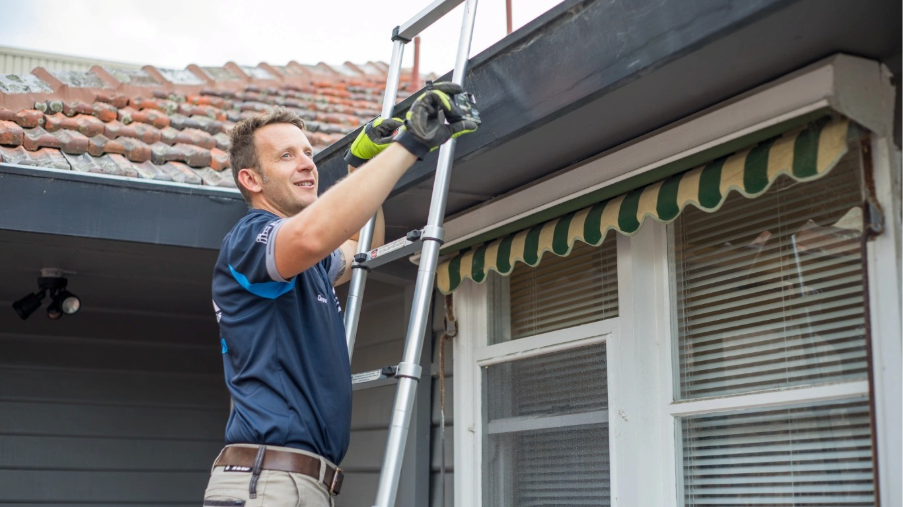
What Is a Structural Assessment?
A structural assessment is a detailed evaluation of a building’s key load‑bearing elements to determine its safety, stability, and overall condition. Unlike a general building inspection, a structural assessment focuses specifically on the components that keep a building standing and secure.
This process examines how a structure performs under normal conditions and whether it meets expected safety standards. A professional building structural inspection assesses how well the building resists movement, weight, environmental forces, and long‑term wear.
A structural assessment typically results in a comprehensive property structural report outlining findings, risks, and recommended actions.
Purpose of Structural Assessments
The primary purpose of structural assessments is to identify issues that may compromise a building’s structural integrity or pose safety risks. These inspections are designed to:
- Detect structural defects such as cracks, movement, or deterioration
- Assess whether the building is safe for occupancy
- Identify causes of structural damage or instability
- Support informed decisions for buying, selling, or renovating
- Provide documentation for insurance, finance, or compliance purposes
A thorough building condition assessment helps property owners understand both current risks and future maintenance needs.

Who Needs a Structural Assessment?
Structural assessments are valuable for a wide range of property stakeholders, including:
- Homeowners wanting peace of mind about their property’s safety
- Property buyers seeking confidence before committing to a purchase
- Sellers aiming to identify issues early and avoid last‑minute negotiations
- Landlords and investors managing risk and maintenance planning
- Commercial property owners responsible for building safety inspection and compliance
In each case, a professional assessment provides clarity and reduces uncertainty.
Why Structural Assessments Are Important in New Zealand
New Zealand’s building environment presents challenges that make structural assessments particularly important. From earthquakes to climate conditions, buildings are exposed to forces that can affect their long‑term performance.
Structural compliance NZ requirements also mean property owners must demonstrate that buildings meet safety and construction standards.
Earthquake & Natural Disaster Risks
New Zealand sits on the Pacific Ring of Fire, making seismic activity a significant concern. Even moderate earthquakes can cause hidden damage to foundations, framing, and load‑bearing elements.
In addition to earthquakes, buildings face risks from:
- Heavy rainfall and flooding
- Coastal exposure and corrosion
- High winds and storms
- Soil movement and liquefaction
Structural assessments help identify damage that may not be immediately visible but could worsen over time if left unaddressed.
Compliance With NZ Building Standards
Structural assessments support compliance with the New Zealand Building Code and local council requirements. They can assist with:
- Verifying structural compliance NZ obligations
- Supporting consent applications
- Demonstrating due diligence for property owners
- Reducing liability risks
For commercial buildings especially, regular building safety inspection is a key responsibility.
When Should You Get a Structural Assessment?
There are several situations where arranging a structural assessment is strongly recommended.
Pre-Purchase Property Inspections
Before buying a property, a structural assessment provides valuable insight into the building’s true condition. While a general inspection may highlight surface‑level issues, a structural assessment focuses on the elements that are expensive and complex to repair.
This helps buyers avoid unexpected costs and make informed offers based on the building condition assessment.
After Visible Damage or Cracks
Certain warning signs should never be ignored, including:
- Cracks in walls or foundations
- Sloping or sagging floors
- Doors and windows sticking
- Moisture damage or mould
- Unusual noises or movement
These signs may indicate underlying structural defects that require professional evaluation.
Renovation or Change of Use
Any renovation that alters load‑bearing walls, foundations, or roof structures should be preceded by a structural assessment. This ensures changes do not compromise the building’s structural integrity and helps meet consent requirements.
A change of use — such as converting a residential space to commercial — may also require a structural review.
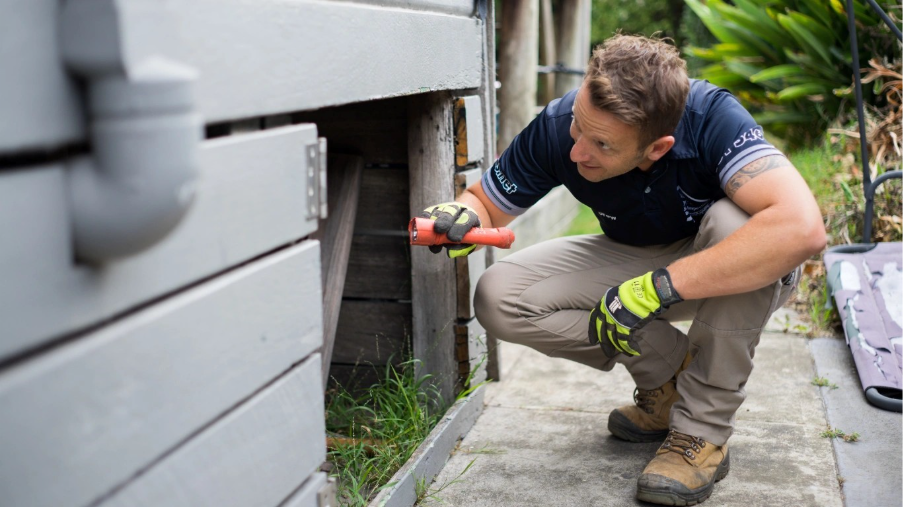
What Does a Structural Assessment Include?
A comprehensive structural assessment examines the key elements that support and stabilise a building. While the scope may vary, most assessments cover the following areas.
Foundations and Footings
Inspectors assess foundations for:
- Settlement or subsidence
- Cracking and movement
- Drainage and moisture issues
- Load‑bearing capacity
Foundation problems are among the most serious structural defects and can affect the entire building.
Walls, Columns, and Load-Bearing Elements
This part of the building structural inspection evaluates:
- Structural walls and bracing
- Columns and beams
- Signs of movement or deformation
- Cracks or material deterioration
These elements are critical to maintaining overall stability.
Roof Structure and Framing
Roof inspections focus on:
- Trusses and rafters
- Structural connections
- Sagging or deflection
- Weather‑related damage
A compromised roof structure can pose significant safety risks.
Floors, Joists, and Subfloor
Subfloor inspections check for:
- Sagging or uneven floors
- Moisture damage and rot
- Pest activity
- Structural movement
These issues often go unnoticed without a professional building condition assessment.
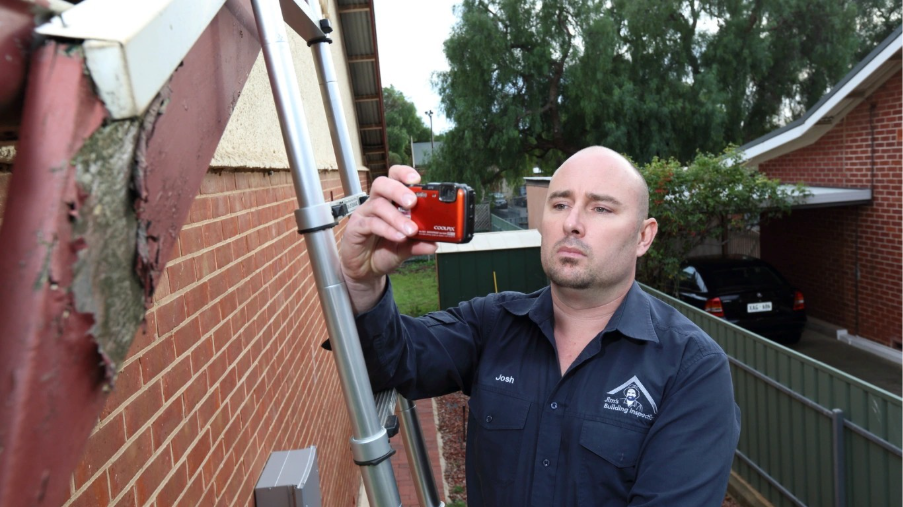
Common Structural Issues Found in Buildings
Structural assessments frequently identify issues that develop gradually over time.
Foundation Movement and Cracking
Foundation movement can be caused by:
- Soil shrinkage or expansion
- Poor drainage
- Seismic activity
- Inadequate original construction
If left unresolved, foundation issues can affect walls, floors, and roofs.
Timber Deterioration and Rot
Timber structures are vulnerable to:
- Moisture exposure
- Poor ventilation
- Fungal decay
- Pest damage
Timber deterioration can weaken load‑bearing elements and compromise structural integrity.
Structural Wear Due to Age
Older buildings may suffer from:
- Outdated construction methods
- Material fatigue
- Hidden damage from past events
Structural assessments help identify age‑related risks and prioritise maintenance.
Residential vs Commercial Structural Assessments
While the principles are similar, the scope of structural assessments differs between residential and commercial properties.
Residential Structural Assessments
Residential assessments typically cover:
- Houses, townhouses, and units
- Smaller structural systems
- Focus on safety and liveability
These assessments are often linked to buying, selling, or renovating.
Commercial Structural Assessments
Commercial inspections involve:
- Larger and more complex structures
- Higher occupancy and safety requirements
- Greater emphasis on building safety inspection and compliance
Regular assessments help manage risk and meet legal obligations.
Structural Assessments by Jim’s Building Inspections
Jim’s Building Inspections provides trusted structural assessments across New Zealand, backed by local knowledge and professional expertise.
Qualified and Experienced Inspectors
Jim’s inspectors are trained to identify structural defects, assess risks, and understand New Zealand building standards. Their experience ensures reliable evaluations across residential and commercial properties.
Detailed Structural Reports
Each assessment includes a clear property structural report featuring:
- Photographic evidence
- Plain‑English explanations
- Risk prioritisation
- Practical recommendations
This makes it easy for property owners to understand findings and take action.
Nationwide Service Across New Zealand
With coverage across regions, Jim’s Building Inspections understands local conditions, council requirements, and construction practices — supporting accurate structural compliance NZ assessments.
What Happens After a Structural Assessment?
Once the inspection is complete, the next steps are just as important.
Understanding Your Structural Report
Structural reports typically classify issues by severity, helping owners understand which items require urgent attention and which can be monitored over time.
Reviewing the report carefully ensures informed decisions about repairs or further investigations.
Repair and Maintenance Recommendations
Structural assessments support proactive maintenance planning by identifying:
- Immediate repair needs
- Preventative maintenance opportunities
- Long‑term upgrade considerations
This approach can extend the life of a building and reduce future costs.
How Often Should Structural Assessments Be Done?
There is no one‑size‑fits‑all schedule, but general guidance includes:
- Before purchasing or selling a property
- After earthquakes or significant weather events
- Before major renovations
- Periodically for older or commercial buildings
Regular assessments support ongoing building safety inspection practices.
Cost of Structural Assessments in New Zealand
The cost of structural assessments varies depending on:
- Property size and type
- Building age and complexity
- Scope of inspection
- Accessibility of structural elements
While costs differ, investing in a professional assessment can prevent far greater expenses later.
Conclusion
Structural assessments are a vital tool for protecting property, people, and investments across New Zealand. By identifying structural defects, assessing structural integrity, and supporting compliance, these inspections provide confidence and clarity in an uncertain environment.
Whether you are buying, owning, or managing property, engaging professionals like Jim’s Building Inspections ensures your building receives the attention it deserves.
FAQs
The duration depends on the property’s size and complexity, but most assessments are completed within a single site visit.
Yes. A structural assessment focuses specifically on load‑bearing elements, while a general inspection covers broader condition issues.
They are not always mandatory, but they may be required for compliance, insurance, or consent purposes.
Cracks, uneven floors, sticking doors, moisture damage, and visible movement are common indicators.
Reports are comprehensive and include photos, explanations, and prioritised recommendations.
Yes. Identified structural defects can significantly influence value, negotiation, and finance approval.