



Buying a home in New Zealand is an exciting milestone—but it also comes with responsibility. Before you take ownership, completing a final inspection checklist ensures you’re getting exactly what you agreed to purchase, without unwelcome surprises.
At Jim’s Building Inspections New Zealand, we help buyers feel confident before settlement through professional guidance, detailed reporting, and NZspecific building expertise. While New Zealand is largely pestfree compared with many countries, issues like borer, moisture damage, and timber deterioration can still occur. A thorough approach helps protect your investment.
This guide provides a complete, buyerfriendly final inspection checklist tailored for NZ homes, plus practical tips to help you avoid settlementday stress.
What Is a Final Inspection?
A final inspection—sometimes called a final house inspection, presettlement inspection, or final walk-through—is your last opportunity to check the property before you legally take possession. It’s not a new building inspection but rather a visual confirmation that:
- The home is in the same condition as when the sale agreement was signed
- Agreed repairs have been completed
- Chattels and appliances included in the sale are functioning
- No new defects have appeared
- The property is being delivered as promised
Understanding what a final inspection is helps ensure you step into settlement day with confidence and clarity.
When Final Inspections Happen in NZ
In New Zealand, the final inspection usually takes place:
- Within 48 hours before settlement, or
- At an agreed time outlined in the sale and purchase agreement
This timing ensures any lastminute issues can be addressed before ownership transfers. Because problems do occasionally arise—such as damage during moveout, non-working appliances, or incomplete repairs—this window is crucial for buyer protection.
Who Should Attend the Final Inspection?
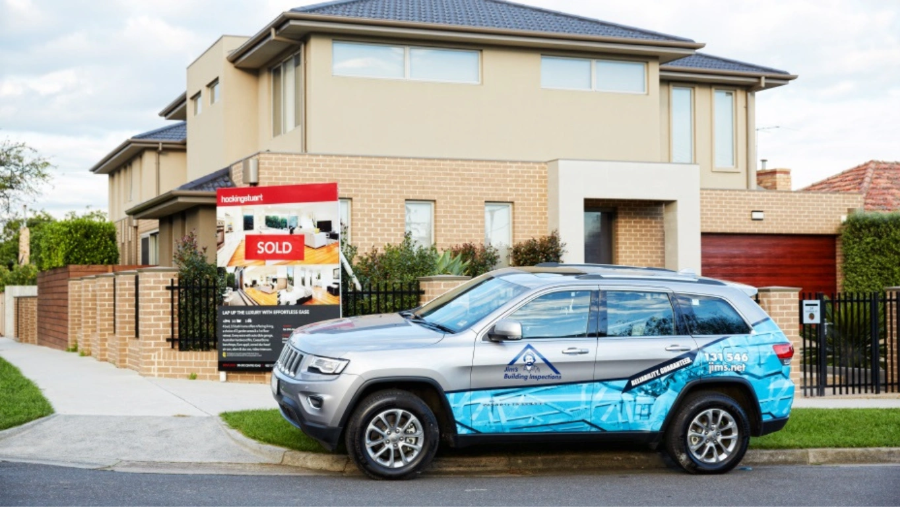
The final inspection is typically attended by:
- The home buyer
- The real estate agent
- A family member or trusted friend (optional)
- A professional building inspector (optional but recommended)
Many buyers also choose to bring a qualified inspector from Jim’s Building Inspections NZ for extra assurance, especially for complex homes or where past issues have been identified. While plumbing and electrical checks are visual only, our inspectors understand how to identify signs of problems that may otherwise go unnoticed.
Why a Final Building Inspection Checklist Matters
Using a final building inspection checklist protects you from unexpected issues and helps ensure everything is in order before you take ownership. A home is one of the biggest investments you’ll ever make—missing a problem now could cost thousands later.
Ensures the Property Matches the Sale Agreement
The sale agreement outlines what must stay with the property. The final inspection ensures that:
- Appliances included in the sale are still present
- Curtains, blinds, and fixtures haven’t been swapped or removed
- Excluded items have indeed been removed
- Nothing has been damaged during the move-out process
A clear house defects checklist keeps you on track.
Confirms Repairs Have Been Completed Properly
If the vendor agreed to complete repairs, the final inspection is your chance to ensure:
- Work has been finished
- The workmanship is reasonable
- No shortcuts were taken
- No new issues have emerged
If repairs look incomplete or poor quality, you may request further action before settlement.
Helps Avoid Expensive Post-Settlement Surprises
Without a structured final inspection checklist, buyers risk discovering:
- Non-functioning appliances
- New water damage
- Faulty lighting or ventilation
- Missing chattels
- Outdoor damage
- Pet damage
- Unreported leaks
Detecting issues early gives you bargaining power—once property ownership transfers, it becomes much harder to negotiate.
Full Final House Inspection Checklist (NZ-Specific)
Use this comprehensive final building inspection checklist to guide your walkthrough. It combines standard checks with considerations unique to New Zealand’s climate and building styles.
Exterior & Structure
Check the outside of the home for:
- Cladding damage, cracks, dents, or deterioration
- Roof condition (visible from ground level)
- Guttering and downpipes—ensure they aren’t overflowing or broken
- Deck condition, safety, wobbly steps, or railing issues
- Visible cracks in foundations or concrete paths
- Drainage around the property—look for pooling water
- Exterior taps and hose fittings
- Condition of fences, gates, sheds, and retaining walls
While NZ homes are built for a wet climate, this also means water management is crucial. Proper drainage and functioning gutters prevent longer-term moisture problems.
Interior Condition
Walk through each room and check:
- Walls for cracks, dents, or new damage
- Ceilings for stains indicating leaks
- Floors for lifting, soft spots, or excessive wear
- Window tracks and seals
- Doors opening/closing smoothly
- Signs of renovations or repairs since your last visit
This ensures the property hasn’t deteriorated during the settlement period.
Plumbing & Water Systems
While Jim’s visual inspections don’t involve dismantling fixtures, buyers should test:
- Water pressure throughout the house
- Hot water availability
- Toilets flushing properly
- Taps and showers running without leaks
- Under-sink areas for moisture
- Laundry tub functionality
- Exterior hose taps
Unexpected plumbing issues can be costly—especially failures involving hot water systems or buried pipes.
Electrical Systems & Appliances
Electrical checks should always be non-invasive and visual, but you can test:
- Light switches
- Power outlets
- Ceiling fans
- Smoke alarms
- Heat lamps
- Ventilation switches
- Built-in sound or security systems (if included)
- Oven, cooktop, dishwasher, rangehood
- Heat pump remote(s) included and working
A lack of functioning smoke alarms is a safety hazard—always check them.
Heating & Ventilation
New Zealand homes rely heavily on good ventilation due to moisture risks.
Test:
- Heat pumps (heating and cooling modes)
- HRV, DVS, or other ventilation systems
- Bathroom and laundry extractor fans
- Fireplace doors, latches, and flues (visually)
Poor ventilation can lead to mould growth—one of NZ’s most common property concerns.
Kitchen & Bathroom Checks
Inspect:
- Cabinet doors and drawers
- Benchtops for cracks or swelling
- Tiling and grout lines
- Shower screens and seals
- Under-sink cupboards
- Rangehood filters
- Splashback condition
- Bathroom waterproofing (visible signs only)
Any swelling in cabinetry may indicate previous leaks.
Moisture Concerns (Important for NZ Homes)
New Zealand’s damp climate makes moisture issues more likely.
Look for:
- Mould or mildew on walls or ceilings
- Musty odours
- Condensation buildup around windows
- Soft flooring near bathrooms
- Water staining around skirtings
- Damp areas in wardrobes
If in doubt, a moisture test by Jim’s Building Inspections NZ is recommended.
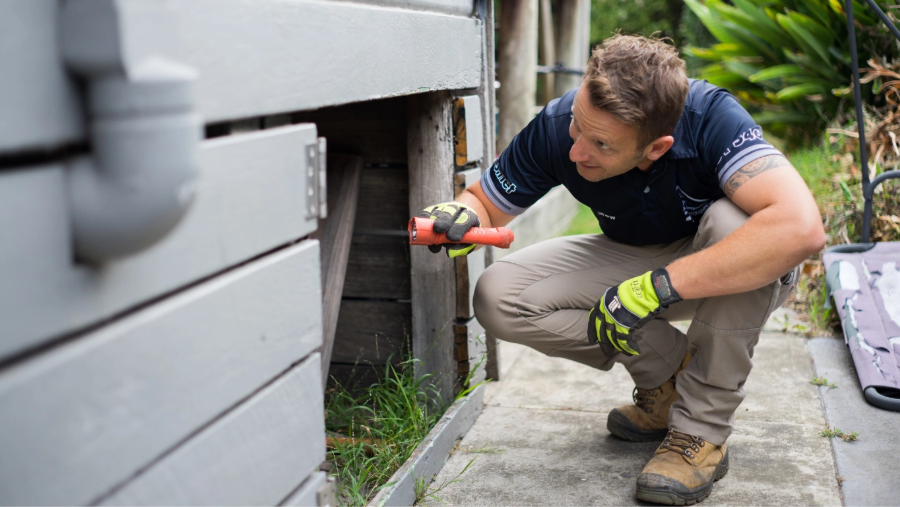
Pests & Timber Issues
Although NZ is generally pestfree, you should still check for:
- Borer holes
- Flaking timber
- Timber decay
- Visible pest droppings
- Signs of nesting in the roof space (visual only, if accessible)
Landscaping & Outdoor Areas
Walk around the property and confirm:
- Lawns and garden areas are tidy
- Outdoor structures are in good repair
- Gates open/close smoothly
- Decks, patios, and pavers are stable
- Drainage flows away from the home
- Outdoor lighting works
- Letterbox, clothesline, and rubbish bins are present (if included)
Chattels & Inclusions
Finally, confirm all promised chattels remain and are functional:
- Curtains and blinds
- Light fittings
- Heat pump remote
- Garage door remote(s)
- Dishwasher
- Oven and cooktop
- Rangehood
- Washing machine (if included)
- Garden sheds
- Pool equipment (if applicable)
This step alone can prevent disputes on settlement day.
What to Do if You Find Problems During the Final Inspection
If something isn’t right, you do have options.
Request Repairs or Compensation
Work with your solicitor or agent to:
- Request the seller fix the issue before settlement
- Negotiate compensation
- Agree on retention money (held back until repairs are completed)
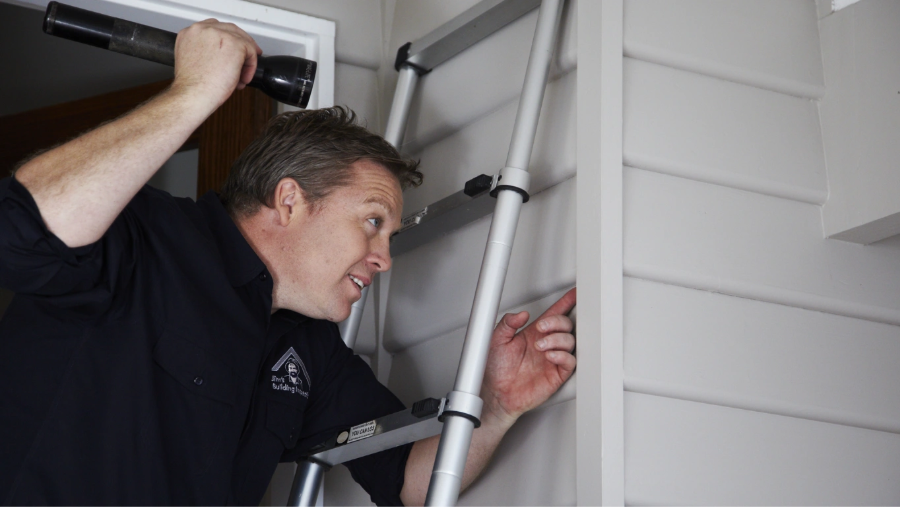
Get Further Assessment from a Qualified Inspector
If issues appear significant or unclear, Jim’s Building Inspections NZ can:
- Provide a written report
- Assess potential risk
- Offer independent advice
- Help clarify cost implications
A professional assessor ensures buyers aren’t left with hidden problems.
Why Choose Jim’s Building Inspections NZ for Your Final House Inspection?
Jim’s is one of NZ’s most trusted names in residential building inspections.
Qualified & Experienced Building Inspectors
Our inspectors understand:
- NZ’s unique climate challenges
- Moisture-prone construction types
- Weatherboard and monolithic cladding issues
- Local building standards and expectations
Comprehensive Reporting
We provide:
- Clear photos
- A detailed house defects checklist
- Easy-to-understand explanations
- Visual assessments of plumbing and electrical systems
Everything you need to make an informed decision.
Peace of Mind Before Settlement
Home buyers consistently choose us because:
- We reduce risk
- We provide clarity
- We help protect your investment
- We support you throughout the buying process
Nothing beats confidence on settlement day.
Final Tips for a Smooth Final Building Inspection Process
Bring a Checklist and Take Photos
Document everything—it helps avoid disputes and supports your requests if issues arise.
Don’t Rush the Walk-Through
Plan for at least 45–60 minutes. Slow and careful is the key.
Consider a Professional Inspector for Peace of Mind
If you’re unsure about anything, Jim’s Building Inspections NZ can help ensure nothing is overlooked.
Conclusion
A thorough final inspection checklist protects New Zealand home buyers from unexpected expenses, stressful disputes, and post-settlement regrets. By following a structured process—and engaging Jim’s Building Inspections NZ when needed—you can settle confidently, knowing your new home is exactly as promised.
FAQs
Yes—depending on the severity. Speak with your solicitor immediately.
You can request completion, negotiate compensation, or delay settlement in some cases.
Yes, although having an agent or professional inspector helps ensure nothing is missed.
It’s optional but highly recommended for buyer protection.
It’s possible but difficult—another reason the final inspection is critical.
Around 45–60 minutes, depending on the property size and condition.
You may request repairs, compensation, or retention funds before settlement.