


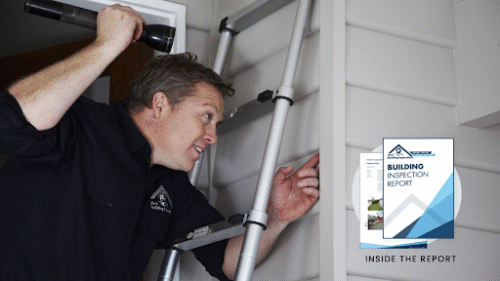
Buying, selling, or maintaining a home in New Zealand can be a major investment, and every decision you make should be based on solid information. That’s where a property inspection report comes in.
A comprehensive report offers a clear, unbiased snapshot of a property’s condition at a specific point in time. It helps buyers make confident offers, sellers prepare their homes for the market, and property owners plan effective maintenance.
In this guide, we’ll explain what a property inspection report includes, why it matters, and how professional inspectors like Jim’s Building Inspections ensure your home is properly assessed from top to bottom.
What is a Property Inspection Report?
A property inspection report is a detailed document that outlines the condition of a home or building following a professional home inspection. It identifies existing issues, potential risks, and maintenance requirements across structural, internal, and external components.
Typically prepared by a qualified building inspector, the report covers the property’s foundations, walls, roofing, plumbing, electrical systems, and more. It also provides photos, defect descriptions, and repair or maintenance recommendations.
In New Zealand, property inspection reports are essential for pre-purchase, pre-sale, or general property maintenance. They protect buyers from hidden surprises and give property owners the information they need to maintain their assets properly.
Why You Need a Property Inspection Report
A professional building inspection does more than identify defects—it gives you peace of mind and helps you make informed property decisions.
Protect Your Investment
A property is one of the biggest financial commitments you’ll ever make. Having a clear understanding of its condition before buying or selling ensures you’re not caught off guard by expensive repairs down the track.
Uncover Hidden Issues
Not all problems are visible to the untrained eye. Moisture intrusion, structural movement, or roof leaks may not be obvious during a viewing, but they can have long-term consequences. A detailed property inspection report highlights these early.
Ensure Long-Term Maintenance
A good property condition report isn’t just about defects—it’s a maintenance guide. It helps homeowners schedule regular repairs and upkeep, ensuring the property remains safe, functional, and valuable over time.
Key Components of a Property Inspection Report
A standard New Zealand building inspection typically includes the following sections:
Structural Integrity
Assesses the property’s framework, foundations, floors, walls, and ceilings. Inspectors check for cracks, movement, sagging, or signs of structural stress.
Electrical and Plumbing Systems
Examines visible electrical wiring, outlets, and fittings, as well as plumbing connections, water pressure, and potential leaks.
Roof and Exterior
Evaluates the roof structure, tiles, flashings, gutters, downpipes, and external cladding. Inspectors look for leaks, corrosion, or wear and tear that may affect the home’s weatherproofing.
Moisture and Mould Inspection
Moisture problems are common in New Zealand homes. Inspectors use moisture meters to detect dampness and look for signs of mould or condensation that could indicate hidden water damage.
Pests and Infestation
Checks for visible signs of borers, rodents, or any other potential pests that can compromise timber or insulation.
Each section of a property inspection report is designed to provide a complete overview of the home’s condition, highlighting both immediate and potential future concerns.

How Property Inspections Work
A home inspection generally follows a clear process:
- Pre-Inspection Preparation: The inspector reviews property details and confirms inspection access to the property.
- On-Site Assessment: Both interior and exterior areas are inspected, including the roof space and subfloor where possible.
- Testing and Documentation: Moisture readings are taken, and photographs are used to document findings.
- Reporting: A detailed written report is prepared, outlining any defects, safety hazards, and maintenance recommendations.
Jim’s Building Inspections ensures all reports comply with New Zealand’s professional inspection standards, delivering clarity and consistency.
How to Read and Understand a Property Inspection Report
At first glance, a property inspection report can seem technical—but understanding it is simple once you know the key terms:
- Minor Defects: Small, often cosmetic issues like cracked tiles or peeling paint.
- Major Defects: Issues requiring immediate attention, such as roof leaks or significant structural damage.
- Safety Hazards: Conditions posing immediate risks, such as exposed wiring or unstable structures.
Look for clear photos and inspector recommendations—they help prioritise what to fix first.
Common Issues Found in Property Inspection Reports
In New Zealand, common findings in building inspections include:
- Foundation problems – cracking or uneven settlement.
- Roofing issues – missing tiles, corrosion, or poor drainage.
- Electrical faults – outdated switchboards or exposed wiring.
- Water damage and mould – often linked to poor ventilation.
- Pest infestation – especially in older timber homes.
Even if these issues seem minor, identifying them early helps prevent future damage and costly repairs.
What to Do If Issues Are Found in a Property Inspection Report
If your report identifies defects, don’t panic—use the information wisely:
- Seek specialist advice (e.g., plumber, electrician, roofer).
- Discuss repairs with the seller before finalising a purchase.
- Budget for maintenance to avoid escalation.
- Keep records for future property transactions or insurance claims.

The Importance of Using a Professional Inspection Service
A comprehensive report is only as good as the person preparing it. Hiring a professional inspector ensures:
- Thorough, unbiased assessments.
- Access to moisture meters and other diagnostic tools.
- Reports aligned with New Zealand inspection standards.
Why choose Jim’s Building Inspections?
Jim’s has a team of experienced, qualified inspectors across New Zealand who deliver detailed, easy-to-read reports. Every home inspection includes photographic evidence, clear explanations, and practical recommendations, helping you make confident decisions.
Property Inspection Report Costs in New Zealand
The cost of a property inspection report depends on property size, location, and type:
- Apartments or small homes: $400–$500
- Standard family homes: $500–$800
- Large or complex properties: $800+
While costs vary, the peace of mind and potential savings from avoiding unexpected repairs make it a worthwhile investment.
How Jim’s Building Inspections Can Help
Jim’s Building Inspections provides comprehensive building inspection services, including:
- Pre-purchase and pre-sale inspections
- Property condition reports
- Specialist inspections for asbestos, meth, and moisture
Each property inspection report includes clear photos, detailed descriptions, and practical maintenance advice, giving clients a complete picture of their property’s condition.
Conclusion
A property inspection report is an essential step in any property transaction or ownership journey. It protects your investment, uncovers hidden problems, and helps you plan for long-term property maintenance.
With professional inspectors, advanced tools, and consistent national standards, Jim’s Building Inspections gives New Zealand homeowners confidence in every property decision.
FAQs
Most inspections take 2–4 hours, depending on the property’s size and accessibility.
Yes, buyers often use findings to negotiate repairs or price adjustments.
Yes, insurers may request reports to verify condition or maintenance history.
A visual pest check is often included, but a dedicated pest inspection is recommended for thorough results.
Yes. Even new builds can have construction defects or poor workmanship.
Look for qualified professionals with experience, transparent reporting, and positive client feedback—like Jim’s Building Inspections.
Yes. Any issues that pose a risk to occupants are clearly identified.
Pre-purchase inspections help buyers make informed decisions. Pre-sale inspections help sellers prepare their property and address issues before listing.