



Buying an apartment or townhouse in New Zealand is very different from purchasing a standalone home. Along with your individual unit, you’re also buying into shared ownership of common property, finances, and legal responsibilities. This is where a strata inspection report becomes essential.
A strata inspection report provides a detailed review of the body corporate (also known as an owners’ association) and uncovers financial, maintenance, legal, and compliance issues that may not be obvious during a standard property viewing. For New Zealand buyers, it’s one of the most effective ways to avoid unexpected levies, future repair costs, and longterm disputes.
Whether you’re a firsthome buyer, investor, or downsizer, understanding the strata structure before committing can save you tens of thousands of dollars and years of stress.
What Is a Strata Inspection Report?
A strata inspection report is a professional assessment of the records, financial health, and management of a body corporate for multiunit properties such as apartments, townhouses, and unit developments.
Unlike a general building inspection—which focuses on the physical condition of a specific unit—a strata report examines shared ownership elements, including common areas, financial accounts, insurance policies, maintenance history, and legal compliance.
In New Zealand, strata inspection reports are commonly used during due diligence to help buyers fully understand what they’re buying into beyond the four walls of their property.
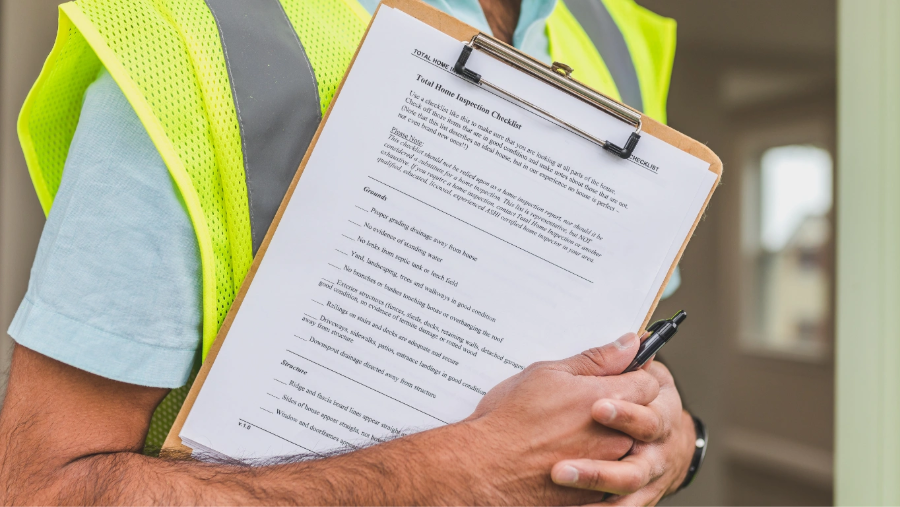
Why Strata Reports Matter for NZ Property Buyers
In a stratatitled property, ownership is shared. This means:
- Maintenance costs are shared
- Decisions are made collectively
- Financial shortfalls affect every owner
- Disputes can impact property value and liveability
Without a strata inspection, buyers risk inheriting poor management practices, underfunded sinking funds, or upcoming special levies. A comprehensive strata report provides transparency and helps buyers make informed, confident decisions.
Who Prepares a Strata Inspection Report?
A strata inspection report is prepared by a qualified, independent property inspector with experience in body corporate legislation and stratatitled properties.
Reputable providers like Jim’s Building Inspections New Zealand understand:
- Unit Titles Act 2010 requirements
- Body corporate governance in NZ
- Common construction issues in apartment complexes
- Local council and compliance frameworks
Choosing a trusted, professional strata report service ensures the findings are accurate, unbiased, and easy to understand.
What’s Included in a Strata Inspection Report?
A professional strata inspection report New Zealand buyers rely on typically covers the following key areas:

Financial Status of the Body Corporate
This section reviews the financial health of the body corporate, including:
- Annual budgets
- Levy contributions
- Sinking or longterm maintenance funds
- Outstanding debts or arrears
Strong finances indicate proactive management, while low balances or frequent special levies can signal future costs for owners.
Building Maintenance History
Maintenance records reveal how well the building has been cared for over time. Inspectors review:
- Past repairs and upgrades
- Preventative maintenance schedules
- Deferred or ignored issues
A solid maintenance history reduces the likelihood of major surprise expenses after purchase.
Insurance Coverage Details
Strata insurance is critical in multiunit developments. The report examines:
- Current insurance policies
- Coverage limits
- Exclusions and excesses
- Whether insurance meets body corporate obligations
Inadequate insurance can expose owners to significant financial risk.
Upcoming Projects & Major Repair Plans
A strata inspection report identifies planned or proposed works such as:
- Roof replacement
- Cladding repairs
- Plumbing or electrical upgrades
- Structural remediation
These projects often result in increased levies or special contributions.
Legal Notices, Disputes & Compliance Issues
This section highlights:
- Ongoing disputes or tribunal cases
- Breaches of the Unit Titles Act
- Health and safety noncompliance
- Council or regulatory notices
Legal issues can delay sales, affect financing, and reduce property value.

Why You Should Get a Strata Inspection Report Before Buying
A prepurchase strata inspection is one of the smartest steps a buyer can take.
Identifying Hidden Structural or Maintenance Problems
While a building inspection focuses on your unit, a strata report reveals problems in shared areas like:
- Roofing systems
- Foundations
- External cladding
- Drainage and waterproofing
These issues often result in high collective repair costs.
Understanding Ongoing Commitments & Fees
A strata inspection clarifies:
- Regular levies
- Insurance contributions
- Maintenance fund payments
- Potential special levies
This protects buyers from unexpected financial obligations.
Avoiding Disputes & Legal Liability
Buying into a poorly managed body corporate can mean years of disputes, stress, and legal exposure. A strata report reduces this risk by providing full visibility.
How the Strata Inspection Process Works
Booking the Service
Buyers can book professional strata report service directly through
👉 https://jimsbuildinginspections.co.nz/get-a-quote/
Early booking ensures the report is ready within your due diligence period.
Examination of Records & Documents
Inspectors review key documents, including:
- Body corporate minutes
- Financial statements
- Insurance certificates
- Maintenance plans
- Longterm budgets
- Legal correspondence
Delivery of the Final Report
The final strata inspection report is delivered in a clear, easytoread format, highlighting risks, red flags, and key considerations so buyers can act with confidence.
Common Issues Found in NZ Strata Inspection Reports
Water Leaks & Moisture Damage
Leaking roofs, balconies, and cladding systems are common in NZ apartment buildings and can lead to extensive remediation costs.
Roofing & Cladding Defects
Poor materials or aging systems often require full replacement, significantly increasing future levies.
Poor Body Corporate Management
Mismanagement can result in:
- Inadequate insurance
- Deferred maintenance
- Financial instability
- Owner disputes
Insufficient Sinking Funds
An underfunded sinking fund almost guarantees future special levies for owners.
Tips for Choosing the Right Strata Inspection Service
Experience & Local Knowledge
NZspecific experience ensures inspectors understand local building methods, climate risks, and legislation.
Transparent and EasytoRead Reporting
Look for reports that clearly explain risks and financial implications without excessive jargon.
Industry Endorsements & Customer Reviews
Check independent reviews, reputation, and professional standing before choosing a provider.
Cost of a Strata Inspection Report in New Zealand
The strata inspection cost NZ buyers can expect typically ranges from $300 to $800+, depending on:
- Size of the complex
- Number of units
- Volume of records
- Complexity of finances and legal matters
Considering the potential costs uncovered, it’s a small investment with significant protection.
When to Request a Strata Inspection Report
The best time is:
- Before signing a Sale & Purchase Agreement
- During the due diligence period
- When reassessing an existing investment property
Conclusion
A strata inspection report is one of the most powerful tools available to New Zealand property buyers. It reveals financial health, management quality, legal risks, and upcoming costs that could otherwise remain hidden.
Jim’s Building Inspections New Zealand offers comprehensive, independent strata inspection reporting designed to protect buyers and support confident property decisions.
FAQs
Yes. A building inspection assesses your unit; a strata report examines shared ownership risks.
Most reports are delivered within standard due diligence timeframes.
Yes. It reviews budgets, debts, and sinking fund adequacy.
They record decisions, disputes, and future plans affecting owners.
It’s a reserve for major repairs—insufficient funds lead to special levies.
Yes. Planned and proposed works are reviewed.
Absolutely. It highlights financial shortfalls and upcoming costs.
Yes. It protects rental yield and longterm capital value.
Yes. New buildings can still face defects, disputes, or funding issues.
Visit https://www.jimsbuildinginspections.co.nz/ and book online.