
Buying a home is one of the biggest financial decisions most New Zealanders will ever make. Just before settlement, when emotions are high and timelines are tight, it can be tempting to rush through the final steps. However, this is exactly when a pre settlement inspection checklist becomes critical.
A thorough inspection before settlement allows buyers to confirm the property is in the condition agreed upon in the Sale and Purchase Agreement. Whether you’re purchasing a brand‑new build or an existing home, following a structured checklist helps uncover defects, unfinished work, or damage that may have occurred after contracts were signed. In New Zealand’s competitive property market, a pre settlement inspection can protect you from costly surprises after you receive the keys.
What Is a Pre-Settlement Inspection Checklist?
A pre-settlement inspection checklist is a structured guide used by buyers to assess a property’s condition shortly before settlement day. It ensures the home meets contractual obligations, is safe to occupy, and has no unresolved issues that could affect its value or liveability.
In a typical pre-settlement inspection, NZ buyers check that:
- Repairs negotiated earlier have been completed
- Fixtures and fittings are present and functional
- No new damage has occurred since the last inspection
- Services such as plumbing and electrical systems are operational
This checklist forms part of a broader pre settlement property inspection, often referred to as the final inspection before settlement, and is a vital step in the buying process.
Why a Pre-Settlement Inspection Checklist Is Important
Skipping or rushing a final inspection can expose buyers to financial, legal, and safety risks.
Financial Protection
Once settlement is complete, repair costs become the buyer’s responsibility. A proper house settlement inspection checklist helps identify defects while the seller is still legally responsible.
Legal Assurance
In New Zealand, buyers have the right to ensure the property matches the agreed condition. A documented pre settlement building inspection can support requests for repairs or compensation before settlement proceeds.
Safety and Compliance
Faulty wiring, plumbing leaks, or incomplete construction work can pose serious safety hazards. A professional property inspection before settlement ensures the home is safe and compliant.
Using a pre settlement inspection checklist gives buyers leverage and peace of mind during the most critical stage of the transaction.

When Should You Use a Pre-Settlement Inspection Checklist?
Timing is crucial. A final inspection before settlement should be conducted as close to settlement day as possible—typically within 3 to 7 days.
This ensures:
- The property condition hasn’t changed since the last visit
- Repairs haven’t deteriorated
- Appliances and services still function correctly
For new builds, a new home pre settlement inspection is often completed once the builder declares the home practically complete but before final payment is released.
Who Should Conduct a Pre-Settlement Inspection?
Buyers can choose between a DIY inspection or hiring professional building inspectors NZ.
DIY Inspection
A walkthrough by the buyer can identify obvious cosmetic issues, but many structural, moisture, or compliance issues are easy to miss without experience.
Professional Inspection
Engaging experts like Jim’s Building Inspections NZ ensures a comprehensive assessment. Professional inspectors bring:
- Industry expertise
- Specialist tools
- Detailed written reports
- Knowledge of NZ Building Code requirements
For most buyers, combining a walkthrough with a professional pre purchase and pre settlement inspection provides the best protection.
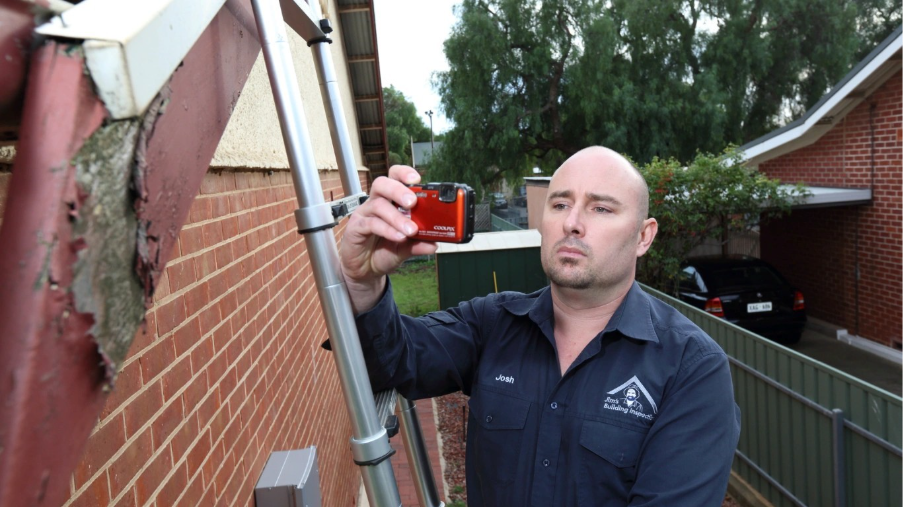
Exterior Pre-Settlement Inspection Checklist
The exterior protects the structure from weather and environmental damage. It should always be thoroughly checked.
Roof, Gutters & Drainage
- Missing or damaged roofing materials
- Rusted or blocked gutters
- Downpipes directing water away from foundations
- Signs of leaks or water staining
Poor drainage is a common issue found during settlement inspection checklist NZ assessments.
Walls, Cladding & Paintwork
- Cracks in cladding or masonry
- Bubbling or peeling paint
- Signs of moisture ingress
- Incomplete finishes on new builds
These issues may indicate deeper structural or weather‑tightness problems.
Driveways, Paths & Fencing
- Uneven surfaces or trip hazards
- Cracks in concrete
- Secure fencing and gates
- Clear boundary alignment
External safety hazards should always be addressed before settlement.
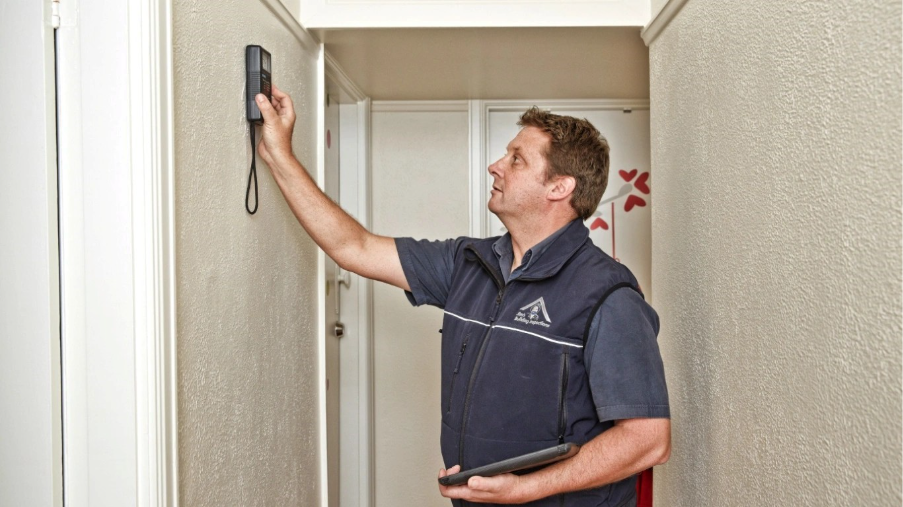
Interior Pre-Settlement Inspection Checklist
Interior defects are among the most common findings during a pre settlement property inspection.
Walls, Ceilings & Flooring
- Cracks or dents
- Water stains or mould
- Uneven or damaged flooring
- Poor paint finishes
These can indicate structural movement, leaks, or rushed workmanship.
Doors, Windows & Locks
- Doors opening and closing smoothly
- Windows sealing properly
- Locks functioning correctly
- No draughts or gaps
Security and weather sealing are critical for comfort and safety.
Kitchen & Bathroom Fixtures
- Secure cabinetry
- Functional taps and mixers
- Proper waterproofing
- No leaks under sinks
Bathrooms and kitchens are high‑risk areas for moisture damage.
Electrical & Plumbing Pre-Settlement Inspection Checklist
Services should never be assumed to work correctly without testing.
Power Points, Switches & Lighting
- All power points operational
- Light switches functioning
- No exposed wiring
- Smoke alarms installed and working
Electrical faults are a key focus of professional building inspectors NZ.
Plumbing, Water Pressure & Drainage
- Hot and cold taps running correctly
- Toilets flushing properly
- Adequate water pressure
- Drains clearing efficiently
Plumbing defects are frequently uncovered during a property inspection before settlement.
New Build vs Existing Home Pre-Settlement Checklist
A new home pre settlement inspection focuses heavily on workmanship, compliance, and unfinished items such as:
- Paint touch‑ups
- Missing fixtures
- Incomplete landscaping
- Non‑compliant installations
For existing homes, a pre settlement inspection checklist prioritises:
- Wear and tear since contract signing
- Damage from tenant occupancy
- Previously agreed repairs
Both scenarios benefit from a professional pre purchase and pre settlement inspection to ensure nothing is overlooked.
Common Issues Found During Pre-Settlement Inspections
Across New Zealand, inspectors regularly identify:
- Incomplete repair work
- Water leaks and drainage issues
- Faulty electrical fittings
- Poor finishing on new builds
- Damage caused during moving out
A detailed house settlement inspection checklist ensures these issues are documented before settlement.
What Happens If Issues Are Found Before Settlement?
If defects are identified, buyers can:
- Request repairs be completed
- Negotiate a price reduction
- Delay settlement until issues are resolved
Your solicitor or conveyancer will typically manage negotiations, supported by findings from your pre settlement building inspection.
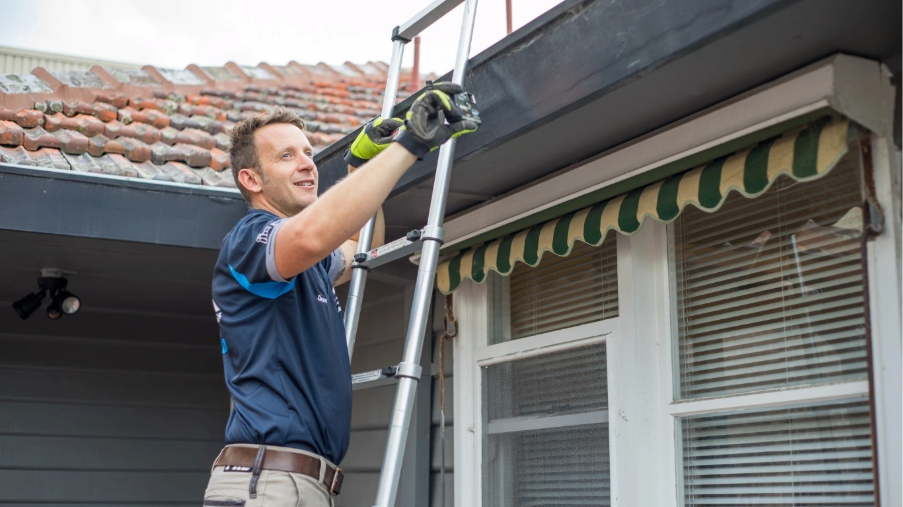
How Jim’s Building Inspections NZ Helps Homebuyers
Jim’s Building Inspections NZ provides trusted, independent inspections across the country. Their experienced inspectors deliver:
- Detailed, easy‑to‑understand reports
- Photo‑documented findings
- Practical recommendations
- Fast turnaround times
By engaging professional building inspectors NZ, buyers gain clarity and confidence before settlement.
Final Thoughts on Using a Pre-Settlement Inspection Checklist
A thorough pre settlement inspection checklist is one of the most valuable tools a homebuyer can use. It protects your investment, strengthens your negotiating position, and ensures your new home is safe, compliant, and ready to move into.
Whether you’re purchasing a brand‑new property or an existing home, combining your own walkthrough with a professional inspection helps ensure a smooth and stress‑free settlement.
FAQs
A checklist typically includes structural elements, exterior and interior finishes, plumbing, electrical systems, and verification of agreed repairs.
No, but it is strongly recommended to protect buyers from post‑settlement defects.
Most inspections take between one and two hours, depending on property size and complexity.
You can, but many issues are best identified by professional building inspectors NZ with specialist knowledge.
Common issues include incomplete work, water leaks, faulty fixtures, and cosmetic damage.