


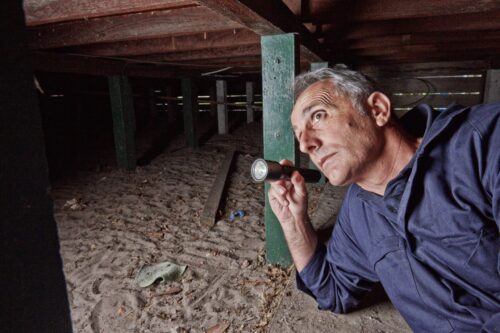
Rising damp and asbestos issues. Two issues that would normally send shivers down your spine and see potential buyers running for the hills.
But what if you could you turn a negative building inspection report, into the ultimate negotiation weapon?
Real Estate Agents and Buyers Advocates throughout New Zealand are encouraging buyers to view some of the most common building inspection issues as opportunities, rather than just reason to pull out of a sale and walk away.
Rising house prices, stiff competition and supply/demand issues mean that more and more buyers are investigating the cost of repair and using inspection reports to turn a negative into a positive by negotiating more realistic asking prices.
Jim’s Building Inspections Director Paul Commerford said that whilst the cost of building inspections can add up, it is a very important step in the real estate journey.
More than anything it pays to be informed about potential problems before purchasing a property, he said.
Factor in the cost of repair into your offer or be content to walk away if the numbers just don’t add up. Research is key, ask the right questions, negotiate skillfully and unemotional. As hard as that is!
Jim’s Building Inspections uploads current building inspection reports online at www.jimsbuildinginspections.co.nz
Speak to an expert on 0800 454 654 today or click here for your obligation free quote.
Conclusion
A building inspection report is more than just a checklist — it’s a powerful negotiation tool that can save you money or ensure repairs get done before finalizing a purchase. By carefully reviewing defects, estimating repair costs, and presenting a clear, no‑emotion ask, you gain leverage. Whether you request a price reduction, demand repairs, or walk away from a risky deal, you stay in control. Approach negotiations logically, backed by facts, and you’ll secure a fairer, safer investment.
FAQs
If the report finds structural problems, rising damp, asbestos, water leaks, termite damage or other costly defects, these give you real grounds to negotiate price or request repairs.
You can do either, or ask for both. The inspection report gives you a strong justification for either a lower price or for the seller to fix the problems before settlement.
Yes. Having the report before offering ensures your offer reflects the true condition and potential repair cost. It gives you negotiating power.
Absolutely, investors often use inspection reports to factor maintenance costs into ROI calculations or to negotiate better purchase prices.
Not necessarily. Reports from sellers may omit or downplay defects. An independent inspection protects the buyer’s interests with full disclosure.
Yes, even minor issues like roof leaks or minor damp can turn costly over time. They can be used to negotiate a fairer price or request minor repairs.
Yes, especially when prices are high and demand is strong: inspection-based negotiation forces the seller to justify their asking price or accept realistic offers.
Very much so, older buildings often have hidden issues (damp, wiring, structural wear) that only a professional inspection can uncover before you invest.
As early as possible — ideally before making any offer or during the due diligence period, so you know what you’re really buying and what to negotiate.