


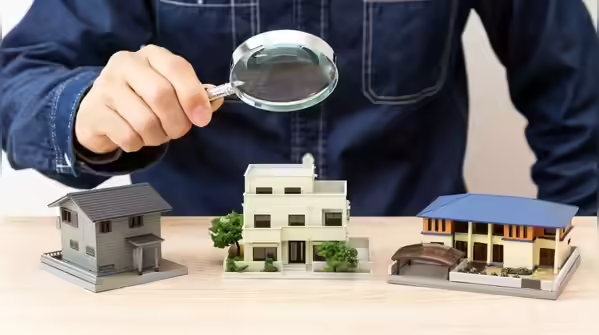
Buying, selling, or maintaining a property is one of the biggest decisions you’ll ever make — and one that comes with financial risks. Whether you’re a firsthome buyer, an investor, or a commercial property owner, understanding the types of building inspections available in New Zealand can save you from costly surprises.
From structural concerns to hidden hazards, each inspection type offers unique insights designed to protect your investment and keep your property compliant, healthy, and safe.
In this comprehensive guide, we break down the types of building inspections you should know about and explain when — and why — you should consider them.
What is Building Inspection?
A building inspection is a detailed assessment of a property’s condition. Carried out by qualified inspectors, it identifies problems that may not be obvious to the untrained eye.
In New Zealand’s dynamic property market, professional property inspection NZ services are essential for making informed decisions. Inspections can uncover issues early, potentially saving thousands of dollars in repairs and reducing the risk of unexpected complications after purchase.
Building inspections are relevant whether you’re dealing with residential or commercial properties, and they play a major role in:
- Detecting structural defects
- Identifying safety hazards
- Ensuring compliance with NZ building codes
- Providing peace of mind during property transactions
1. General Building Inspection
A general building inspection serves as a full health check of a property. It is the most common type of inspection and covers all major building systems, structural components, and potential defects.
What it Covers
A general building inspection typically includes examination of:
- Foundation and structural framing
- Roofing systems (tiles, iron, gutters, downpipes)
- External walls, cladding, and joinery
- Windows and doors
- Plumbing systems
- Electrical systems
- Interior walls, ceilings, and floors
- Moisture levels and signs of leaks
- Ventilation and insulation
- Visible signs of pest activity
Why it’s Important
General inspections are recommended for all property owners, buyers, and even sellers. They help uncover hidden issues such as:
- Structural damage
- Water ingress
- Faulty wiring
- Poor workmanship
- Wear and tear requiring maintenance
Without this inspection, expensive issues may go unnoticed until they become major — and costly — repairs.
2. Handover Inspection
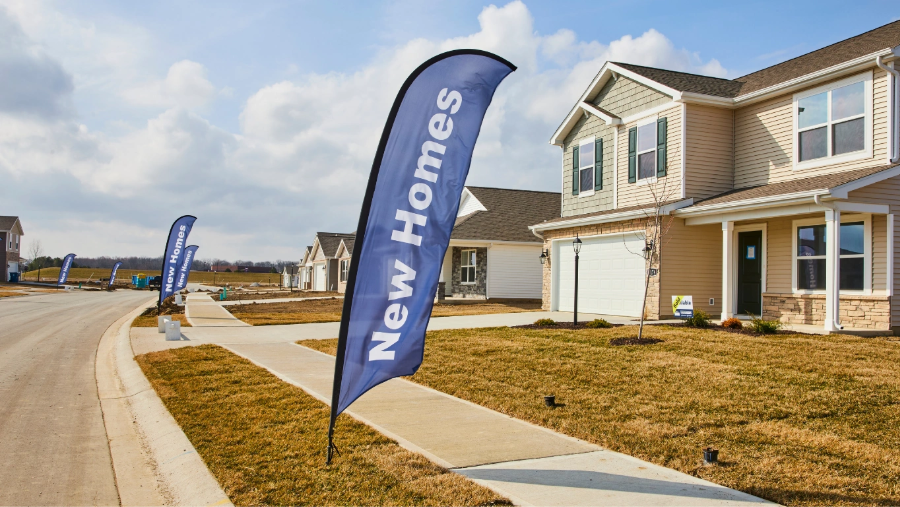
A handover inspection (also known as a New Build Inspection) is conducted once construction is completed and the property is ready to be handed over to the owner. This inspection ensures the new build meets all quality standards before you take possession.
What it Covers
A handover inspection typically checks:
- Structural integrity of the new build
- Workmanship quality of all contractors
- Fixtures, fittings, and finishes
- Building code compliance
- Safety features (smoke alarms, rails, balustrades)
- External and internal defects
- Roofing, drainage, and exterior cladding
- Windows, doors, and joinery alignment
Why it’s Important
This inspection protects the buyer by ensuring:
- The building is defect-free
- Work meets NZ standards
- Safety features are properly installed
- Any issues can be resolved before contract completion
It also helps avoid disputes between builders and owners, ensuring transparency and accountability.
3. Pre-Purchase Building Inspection
A pre-purchase inspection is one of the most critical assessments for buyers in New Zealand. Before you sign the dotted line, this inspection reveals what you are really buying — not just what you see during open homes.
What it Covers
A pre-purchase inspection includes assessment of:
- Structural stability (foundation, framing, roof)
- Roofing materials and condition
- Plumbing and drainage
- Electrical wiring and switchboards
- Heating and ventilation systems
- Moisture readings and mould indicators
- Pest problems (borer, termites)
- Water damage and leaks
Why it’s Important
With a professional inspection, buyers can:
- Negotiate the price
- Request repairs before settlement
- Withdraw from the purchase if necessary
- Avoid unexpected repair costs
- Ensure the safety of the property
Because NZ homes vary widely in age and construction type, prepurchase inspection reports are essential for making confident buying decisions.

4. Residential Asbestos Inspection
Properties built before the mid1980s in New Zealand often contain asbestos. When disturbed, asbestos fibres can pose serious health risks — which makes professional inspections vital.
What it Covers
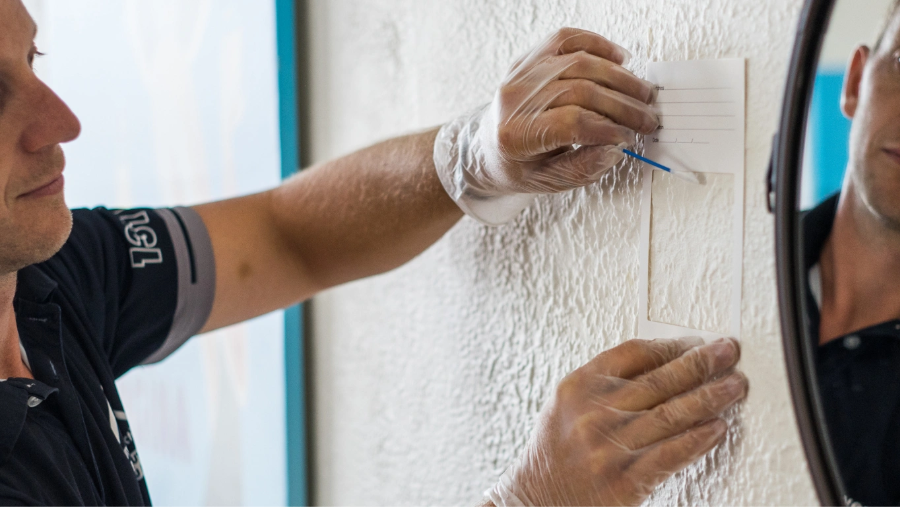
A residential asbestos inspection typically includes sampling and testing of:
- Roof sheeting
- Ceiling tiles and insulation
- Wall cladding materials
- Flooring adhesives and vinyl
- Eaves, gables, and soffits
- Old pipes and hot water systems
Why it’s Important
Asbestos exposure can cause:
- Lung cancer
- Breathing problems
- Chronic respiratory illness
An asbestos inspection helps protect your family and ensures safe renovation or demolition.
5. Commercial Asbestos Inspection
Commercial buildings — such as offices, warehouses, retail spaces, and industrial facilities — often include asbestos materials due to older construction practices.
What it Covers
Commercial asbestos inspections assess:
- Ceilings, walls, and partitions
- HVAC systems
- Fireproofing materials
- Flooring and subflooring
- Pipes, ducts, and insulation
- Roofing and external sheeting
Why it’s Important
Identifying asbestos is essential for:
- Workplace safety
- Compliance with WorkSafe NZ regulations
- Protecting staff and customers
- Planning renovations or demolitions safely
A commercial asbestos inspection ensures you meet legal obligations while safeguarding your business environment.
6. Toxicology Report or Inspection
A toxicology inspection checks for harmful substances inside a property. In New Zealand, methamphetamine contamination is a common concern, but toxicology assessments also look for other hazards.
What it Covers
A toxicology inspection may test for:
- Methamphetamine contamination
- Lead paint
- Asbestos dust
- Mould spores
- Radon gas
- VOCs (volatile organic compounds)
- Bacteria or chemical contamination in water
Why it’s Important
Exposure to toxins can lead to:
- Neurological issues
- Respiratory complications
- Skin irritation
- Long-term illness including cancer
A toxicology report ensures the building environment is safe for occupants and meets NZ health standards.
How to Choose the Right Building Inspector
Not all inspectors offer the same level of expertise. Here’s how to select a reliable, professional inspector for your needs.
Key Factors to Consider
- Experience & qualifications — Choose inspectors who are trained and accredited in NZ building standards.
- Comprehensive reporting — Ensure they provide a detailed, easytounderstand report with photos and recommendations.
- Insurance — Professional indemnity and public liability insurance are essential.
- Tools & technology — Look for inspectors who use moisture meters, thermal imaging, and digital reporting tools.
- Reputation — Reviews and wordofmouth references matter.
Why Choose Jim’s Building Inspections?
Jim’s Building Inspections New Zealand is trusted nationwide for reliable, professional, and thorough property assessments. Our strengths include:
- Certified, highly trained NZ inspectors
- Fast, detailed, easyto-read reports
- Advanced inspection tools and technology
- Transparent pricing with no hidden fees
- Extensive range of types of building inspections
- Backed by the trusted Jim’s Group network
Whether you need a prepurchase inspection, building structural inspections, or a full toxicology report, Jim’s provides unmatched accuracy and peace of mind.
Conclusion
Understanding the different types of building inspections can help you protect your property investment, avoid hidden problems, and make fully informed decisions. Whether you’re buying, selling, renovating, or maintaining property, regular inspections offer long-term value and safety.
Ready to book a professional inspection?
Contact Jim’s Building Inspections New Zealand today and safeguard your investment with expert support.
FAQs
A building inspection is a detailed evaluation of a property’s condition. It identifies defects, safety hazards, and maintenance needs — helping owners and buyers avoid costly surprises.
Costs vary depending on property size and location, but most NZ prepurchase inspections range between $400 and $900.
If the property shows unusual odours, health symptoms among occupants, or has a suspicious history (vacant for long periods, past tenants unknown), a toxicology test is recommended.
Yes — qualified inspectors can detect signs of mould, dampness, pests, and structural deterioration using specialised tools.
It includes assessment of structural integrity, moisture levels, plumbing, electrical systems, roofing, insulation, and safety hazards — helping sellers prepare before listing.
A new home should be inspected during the build, at practical completion, and again before handover.
Homeowners should consider inspections every 3–5 years, or sooner if signs of damage appear.
Structural inspections focus on foundations, framing, roof structure, loadbearing walls, and signs of movement or instability.
Yes — it’s essential for identifying hazards like asbestos or hidden damage before work begins.
Roof inspections review tiles, iron, flashing, gutters, and leaks. Electrical inspections cover wiring, switchboards, outlets, safety devices, and compliance issues.