
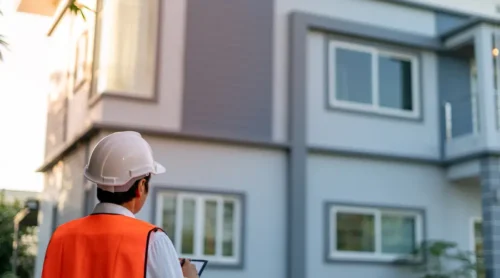
Buying, selling, or maintaining a property in New Zealand comes with its own unique considerations — from weatherrelated wear and tear to compliance with the latest Building Code requirements. One of the most common questions we hear from homeowners is: what do building inspectors look for during a property inspection?
At Jim’s Building Inspections New Zealand, we provide comprehensive, independent assessments designed to help buyers avoid costly surprises and give homeowners confidence in the condition of their property. In this guide, we break down the key areas our inspectors evaluate and why each one matters.
1. Foundation and Structural Integrity
When people ask what do building inspectors look for, the foundation is always one of the first points we mention. New Zealand’s seismic activity means structural soundness is not just desirable — it’s essential.
A building inspector will look for:
- Cracks in foundations or slabs
- Uneven or sloping floors, which may indicate movement
- Damaged or undersized support beams
- Rot or deterioration in subfloor framing
- Signs of historic subsidence or moisture issues
Issues with the foundation or structural elements can affect safety, property value, and insurability. Detecting these problems early can prevent major repair costs.
2. Roofing and Exterior Inspection
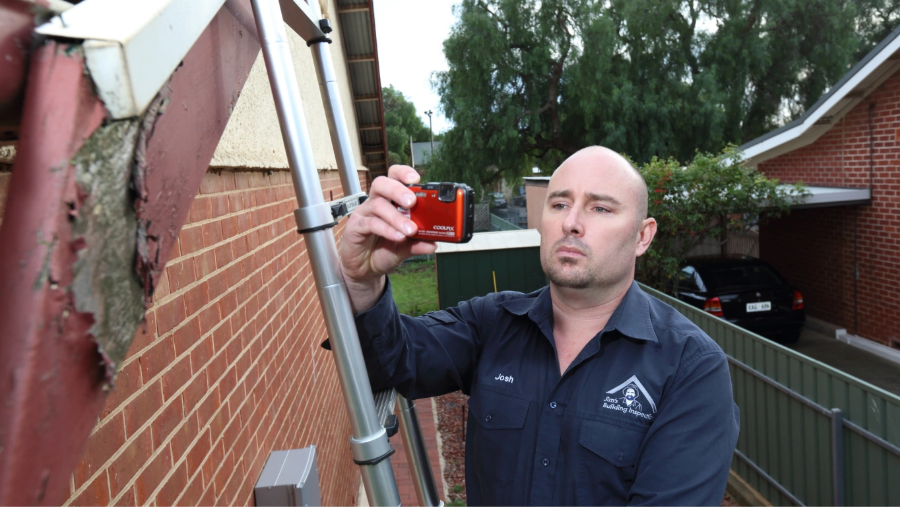
New Zealand’s climate — especially in coastal regions — puts roofs and exteriors under constant stress. During a building inspection, inspectors assess:
- Condition of roof coverings: broken tiles, loose metal sheeting, rust, or aging
- Flashing and waterproofing integrity
- Gutter systems and downpipes for blockages, leaks, or corrosion
- Exterior cladding for cracks, rot, or gaps
- Weatherproofing and sealant condition
Exterior defects can lead to water ingress, insulation problems, and structural decay. An inspector’s findings are vital for longterm maintenance planning.
3. Plumbing Systems
When discussing what do building inspectors look for, it’s important to clarify that building inspectors in New Zealand carry out visual inspections and simple function tests only. They do not perform invasive testing or technical diagnostics — those must be done by a licensed plumber if concerns are identified.
During a building inspection, the plumbing review includes:
- Visible leaks around pipes, fixtures, and fittings
- Basic water flow and pressure checks using taps and toilets
- Condition of the hot water cylinder, including age, visible corrosion, or leaks
- Signs of moisture, mould, or water staining that may indicate plumbing failures
- Outdated or visibly deteriorated plumbing materials
- Drainage performance, checked through simple function tests (e.g., running water)
If the inspector identifies potential issues — such as suspected blockages, low pressure, or concerns with water heating systems — they will recommend a further assessment by a licensed plumber.
This approach protects buyers from hidden damage while ensuring compliance with NZ regulations.
4. Electrical Systems and Safety
Electrical systems are a major safety concern, but during a home inspection, the evaluation is visual only, supported by basic function testing such as checking light switches and power outlets. Building inspectors cannot open electrical panels, test wiring, or diagnose electrical faults. Only a licensed electrician can carry out a full system inspection.
A building inspector will visually check:
- Switchboard condition, including signs of outdated components
- Presence of RCDs (Residual Current Devices)
- Visible wiring for deterioration, damage, or unsafe installation
- Operation of accessible switches and power points
- Signs of DIY electrical work or noncompliant alterations
- Light fixtures for damage or malfunction
If any concerns are identified — such as buzzing outlets, exposed wiring, or outdated switchboards — the inspector will recommend a detailed inspection by a licensed electrician.
This ensures buyers receive accurate safety guidance while staying within NZ’s regulatory boundaries.
5. Insulation and Ventilation
With NZ’s colder climate in many regions, insulation and ventilation play a major role in comfort, energy efficiency, and moisture control.
Inspectors check:
- Ceiling and wall insulation for compliance and condition
- Underfloor insulation where accessible
- Ventilation systems in bathrooms, laundry, and kitchen
- Subfloor ventilation, ensuring airflow meets Building Code requirements
- Functionality of HVAC or heat pump systems
Proper insulation and ventilation reduce mould risk, improve health, and lower power bills.
6. Pest Infestation and Damage
Note: New Zealand does not have an established termite population.
However, certain pests and hazards are still relevant.
A New Zealand property inspection may include checks for:
- Rodent activity
- Borer (common house borer and Anobium punctatum)
- Moisture damage, mould, and fungal decay (common due to high humidity)
- Signs of insect entry, even if major pests like termites are not present
If pest inspections are required, they are typically done as a separate service but can be arranged alongside a building inspection.
7. Safety and Compliance with Building Codes
Compliance is crucial not just for safety but also for resale value and insurance. When discussing what do building inspectors look for, regulatory compliance is always part of the process.
Inspectors review:
- Smoke alarms and safety devices
- Handrails, balustrades, and steps
- Fire safety standards
- Earthquake bracing and structural compliance
- Workmanship quality for recent renovations
- Compliance documentation, such as Code Compliance Certificates (CCC)
Noncompliance can impact the ability to complete a sale or obtain insurance.
8. Interior Features: Walls, Ceilings, and Floors
A thorough home inspection also covers the full interior of the property.
Inspectors examine:
- Wall condition, including cracks, leaks, or signs of movement
- Ceilings for sagging, stains, mould, or previous water damage
- Flooring for movement, squeaking, or moisture problems
- Windows and doors for correct operation and sealing
- Staircases and internal framing
Interior defects can indicate larger structural or moisturerelated problems.
9. Legal and Environmental Issues
Some of the most costly surprises involve issues that aren’t immediately visible.
Inspectors look for:
- Potential asbestos-containing materials (common in homes pre2000)
- Moisture readings indicating hidden leaks
- Land contouring or drainage concerns
- Signs of unconsented building work
- Hazards such as lead-based paint in older homes
- Environmental risks, like floodzone concerns (often highlighted in reports)
While building inspectors cannot provide legal advice, they identify factors that may require further investigation.
Why Jim’s Building Inspectors Are the Best in New Zealand
Jim’s Building Inspections is one of NZ’s most trusted names in building inspection services. Here’s why:
✔ National network, local expertise
Our New Zealand inspectors understand the unique risks posed by local climates, geology, and common construction methods.
✔ Independent, unbiased assessments
We work exclusively for you — not agents or sellers.
✔ Sameday reporting
Most inspections come with comprehensive digital reports the same day, including photos, moisture readings, and clear explanations.
✔ Fully trained and insured
All inspectors are highly qualified, insured, and follow NZ industry standards.
✔ Transparent pricing
No hidden fees. Just clear, professional advice.
If you’re wondering what do building inspectors look for, the simplest answer is: everything that affects the safety, value, and performance of your property — and Jim’s checks it all thoroughly.
Conclusion
A building inspection is one of the smartest investments you can make when buying, selling, or maintaining a property. Knowing what do building inspectors look for helps homeowners understand potential risks and make informed decisions.
From structural integrity to insulation, compliance, and moisture concerns, a professional inspection provides peace of mind and protects your longterm investment.
When accuracy, reliability, and expertise matter, trust Jim’s Building Inspections New Zealand.
FAQs
A building inspection identifies defects, safety issues, and maintenance needs, helping homeowners and buyers understand the property’s true condition.
For existing homes, every 3–5 years is recommended, or before major renovations. Before purchasing any property, an inspection is essential.
Yes — inspectors can document damage, assess structural issues, and provide reports useful for insurance assessments.
Typically, 1.5 to 3 hours, depending on the size, age, and complexity of the property.
A property inspection may include land, drainage, or outbuildings. A building inspection focuses on the structure and safety of the home.
You will receive a detailed report with recommended actions. You may need a structural engineer for further assessment.
In New Zealand, pest inspections (mainly borer or rodent checks) are not always included but can be added as an additional service.
Costs generally range from $400 to $800, depending on the property size and location.
They provide an independent assessment that helps buyers negotiate, plan repairs, or avoid costly risks.