


A code compliance certificate is one of the most important documents attached to any New Zealand property, yet it is often misunderstood or overlooked until a sale, insurance claim, or legal issue arises. Whether you are building a new home, renovating an existing property, or preparing to buy or sell, understanding how the code compliance certificate process works can save you time, money, and stress.
In simple terms, a code compliance certificate confirms that building work has been completed in accordance with the approved building consent NZ requirements and complies with the NZ Building Code. Without it, property owners may face delays in settlement, reduced property value, difficulties obtaining insurance, or challenges securing mortgage finance.
In this guide, we break down what a code compliance certificate is, why it matters, when it is required, and how the approval process works in New Zealand. We also explain how professional building inspection services NZ can help identify compliance issues before they become costly problems.
What Is a Code Compliance Certificate?
A code compliance certificate (CCC) is an official document issued by a local council confirming that completed building work complies with the building consent that was approved and meets the requirements of the NZ Building Code.
When a building consent is granted, the council sets out approved plans, specifications, and conditions. Once construction or renovation work is complete, the council conducts a final building inspection and reviews all supporting documentation. If everything meets regulatory standards, the council issues the code compliance certificate.
The CCC provides assurance that the work is safe, durable, and legally compliant. It also creates a formal record that can be relied upon by property owners, buyers, insurers, and lenders.
Why a Code Compliance Certificate Is Important
A valid code compliance certificate protects property owners and buyers in several critical ways. It is not simply a formality—it is a cornerstone of property compliance in New Zealand.
Legal Requirement Under NZ Law
Under the Building Act 2004, councils are responsible for issuing a code compliance certificate once they are satisfied that building work complies with the approved consent and relevant building regulations New Zealand enforces.
Without a CCC, building work is legally considered incomplete, even if it appears finished. This can expose owners to enforcement action, difficulties with future consent applications, or complications when selling the property.
Impact on Property Sales and Insurance
A missing or incomplete code compliance certificate can significantly delay property transactions. Many buyers request a property compliance check or pre-purchase building report NZ to confirm that all work has been properly consented and signed off.
Banks and insurers also rely on CCC documentation. Properties without a valid CCC may face:
- Delays or refusals in mortgage approval
- Reduced insurance cover or exclusions
- Lower sale prices or buyer withdrawals
In competitive markets, a clean compliance history supported by a code compliance certificate can be a major advantage.
When Do You Need a Code Compliance Certificate?
Not all building work requires a CCC, but many common projects do. Generally, if building consent is required, a code compliance certificate is also required once the work is complete.
New Residential Builds
Every new home built in New Zealand must receive a code compliance certificate before it is legally considered complete. Without it, the dwelling cannot be formally signed off by the council, and owners may struggle to insure or sell the property.
For new builds, councils carry out multiple council building inspection stages throughout construction to ensure compliance before issuing the final certificate.
Alterations and Renovations
Significant renovations that require building consent—such as structural changes, extensions, re-cladding, or plumbing and drainage upgrades—must also receive final certification.
Homeowners undertaking home renovation compliance projects often assume older work is “grandfathered in”, but unconsented or uncertified work can create major issues later. A CCC confirms that alterations meet current safety and performance standards.
The Code Compliance Certificate Process Step by Step
Understanding the CCC process helps property owners plan their projects properly and avoid unnecessary delays.
Step 1: Apply for Building Consent
Before any restricted or consent‑required work begins, property owners must apply for building consent NZ approval through their local council. This includes submitting plans, specifications, and supporting documentation demonstrating compliance with the NZ Building Code.
Once approved, the council issues a building consent outlining required inspections and conditions.
Step 2: Council Inspections During Construction
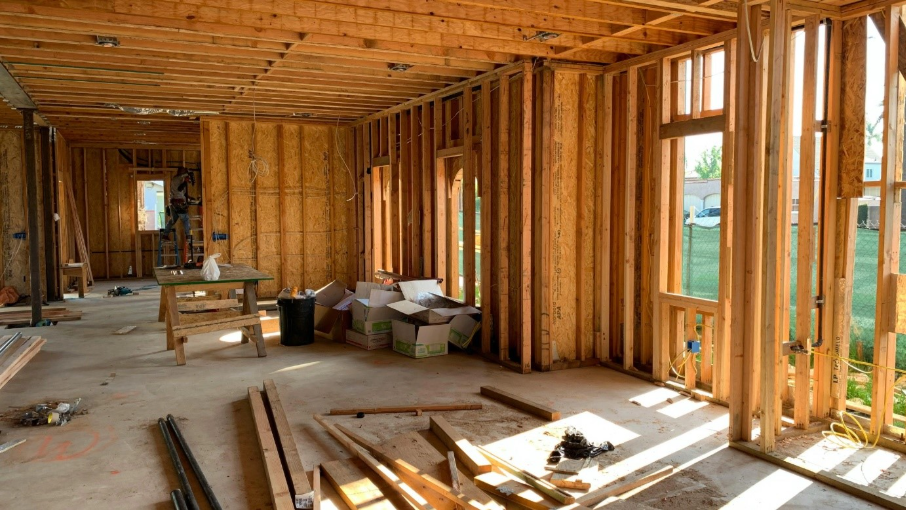
During construction or renovation, councils carry out staged inspections. These council building inspection checks ensure that work complies at critical points, such as:
- Foundations and footings
- Framing and structural elements
- Plumbing and drainage
- Weathertightness
Failing an inspection can result in rework or delays, so it is essential that work follows the approved plans closely.
Step 3: Final Inspection and Documentation Review
Once all work is completed, the owner applies for a final building inspection. The council reviews:
- Completed building work
- Producer statements from licensed professionals
- Warranties and certificates
- Inspection records
If any documentation is missing or work does not match approved plans, further action may be required before approval.
Step 4: Issuance of the Code Compliance Certificate
If the council is satisfied that all requirements are met, it issues the code compliance certificate. This confirms the work complies with the building consent and the NZ Building Code, completing the legal process.
Common Reasons for Delays in Code Compliance Certificate Approval
Delays in CCC approval are common, but many are preventable with proper planning and professional advice.
Incomplete Documentation
Missing paperwork is one of the most frequent causes of delay. Councils may require:
- Producer statements
- Energy efficiency certificates
- Waterproofing warranties
- As‑built plans
Without these, the CCC cannot be issued, even if the physical work is compliant.
Non‑Compliant Work
Work that deviates from approved plans can result in:
- Additional inspections
- Remedial work
- Consent amendments
In some cases, owners may need to apply for a certificate of acceptance NZ, which is not the same as a CCC and may carry limitations.

How Jim’s Building Inspections NZ Can Help
Navigating compliance requirements can be complex, especially for buyers and homeowners without technical building knowledge. Jim’s Building Inspections NZ provides independent, expert support to help identify risks early.
Pre‑Purchase Building Inspections
A professional pre-purchase building report NZ can reveal whether alterations or additions have the correct building consent and a valid code compliance certificate.
These inspections help buyers avoid unexpected compliance issues that could impact financing, insurance, or future resale.
Expert Reporting and Advice
Jim’s detailed reports explain:
- Whether building work appears compliant
- Potential consent or CCC gaps
- Risks associated with unconsented work
- Recommended next steps
This expert insight allows property owners to address issues proactively rather than discovering them during a sale or council review.
Final Thoughts on Securing Your Code Compliance Certificate
A code compliance certificate is far more than paperwork—it is proof that building work meets New Zealand’s safety and performance standards. Understanding the process helps protect your investment, ensures legal compliance, and provides peace of mind for years to come.
Whether you are building, renovating, buying, or selling, seeking professional advice and arranging an independent inspection can make all the difference. With the right guidance, compliance issues can be identified early and resolved before they become costly obstacles.
FAQ
How long does it take to receive a code compliance certificate in NZ?
Timeframes vary depending on the council’s workload and the completeness of the documentation. Once a final inspection is passed and all paperwork is submitted, councils generally issue a CCC within several weeks.
Can I sell a house without a code compliance certificate?
Yes, but it can be difficult. Missing CCC documentation may delay settlement, reduce buyer confidence, or affect mortgage and insurance approval.
What happens if my building work does not get a CCC?
If work does not comply, councils may require remedial work or additional inspections. In some cases, a certificate of acceptance NZ may be considered, but this is not a full replacement for a CCC.
Is a code compliance certificate the same as building consent?
No. Building consent approves the proposed work before construction begins. A code compliance certificate confirms the completed work complies with that consent and the NZ Building Code.
Who issues the code compliance certificate in New Zealand?
Local councils issue code compliance certificates after completing inspections and reviewing documentation.