

A property risk assessment is one of the most effective ways to protect people, property, and long‑term financial value. In New Zealand, where housing conditions, climate, and building regulations present unique challenges, identifying risks early can prevent accidents, legal disputes, and costly repairs.
Whether you are a homeowner, landlord, or buyer preparing for settlement, a professional property risk assessment provides a structured way to uncover safety hazards, compliance issues, and hidden defects before they escalate. From moisture problems and structural concerns to fire safety and unhealthy living conditions, understanding risk is essential for safer homes and better decision‑making.
This guide explains what a property risk assessment involves, why it matters in NZ, when to conduct one, and how professional inspections help safeguard your investment.
What Is a Property Risk Assessment?
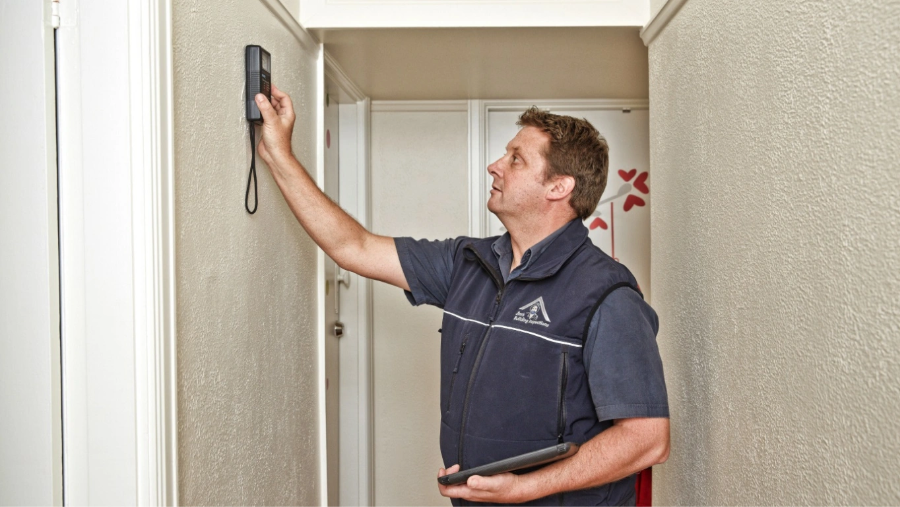
A property risk assessment is a systematic evaluation of a building to identify potential safety hazards, structural risks, and compliance concerns. Unlike a basic walkthrough, this assessment examines both visible and hidden issues that could impact occupant safety or lead to financial loss.
A thorough assessment typically includes elements of a property safety inspection, a structural safety assessment, and environmental checks such as moisture and ventilation. The outcome is a documented report outlining identified risks, their severity, and recommended corrective actions.
In New Zealand, property risk assessments are often aligned with broader inspection services such as a pre purchase inspection NZ, building risk inspection NZ, or a landlord‑focused rental property compliance check.
Why a Property Risk Assessment Is Important in NZ
New Zealand’s housing stock ranges from older villas to modern builds, each with its own risk profile. Weather exposure, seismic activity, and historic building practices mean risks are not always obvious.
Conducting a property risk assessment helps owners and buyers understand a property’s true condition and avoid unexpected problems after purchase or tenancy begins.
Protecting Occupant Safety
A professional assessment identifies hazards that may lead to injury or illness, including:
- Structural weaknesses or unstable elements
- Fire hazards and unsafe electrical installations
- Moisture intrusion, mould, and damp living conditions
- Poor ventilation or unhealthy indoor environments
A comprehensive home hazard assessment ensures these risks are identified and addressed before they affect occupants.
Reducing Legal and Financial Liability
For landlords and property owners, failing to identify risks can result in fines, insurance disputes, or legal claims. A proactive landlord property inspection supported by a documented building defect report demonstrates due diligence and reduces exposure to liability.
Early detection also prevents emergency repairs, which are often far more expensive than planned maintenance.
When Should You Conduct a Property Risk Assessment?
A property risk assessment is not a one‑off task. There are several key situations where an assessment is strongly recommended.

Before Buying a Property
Before committing to a purchase, buyers should conduct a professional pre purchase inspection NZ that includes risk assessment elements. This helps uncover hidden defects such as moisture damage, unconsented alterations, or structural concerns that may not be visible during open homes.
Understanding these risks early provides negotiation leverage and prevents costly surprises after settlement.
Before Renting or Leasing a Property
Landlords have a responsibility to provide safe, compliant housing. A rental property compliance check ensures the property meets safety expectations and aligns with Healthy Homes Standards NZ, including heating, insulation, ventilation, and moisture control.
Regular assessments also support responsible property management and tenant wellbeing.
After Renovations or Structural Changes
Any renovation or structural modification introduces new risks. A post‑renovation property risk assessment verifies workmanship quality, identifies compliance gaps, and confirms that safety has not been compromised.
Key Areas Covered in a Property Risk Assessment
A professional assessment examines multiple aspects of a building to provide a holistic risk profile.
Structural Integrity
A structural safety assessment focuses on the building’s core elements, including:
- Foundations and subfloor condition
- Framing and load‑bearing components
- Roof structure and cladding stability
Structural defects can pose serious safety risks and significantly affect property value if left unaddressed.
Electrical and Fire Safety
Electrical systems and fire safety features are critical components of any property safety inspection. Inspectors assess:
- Visible wiring condition and safety
- Smoke alarm placement and compliance
- Potential ignition sources and fire hazards
Identifying issues early reduces the risk of fire and ensures safer living conditions.
Moisture and Weather Tightness
Moisture is one of the most common issues found in New Zealand homes. A professional moisture inspection NZ checks for:
- Water ingress and leaks
- Dampness and condensation
- Mould growth and drainage issues
These problems are closely linked to health concerns and long‑term structural damage.
Health and Environmental Hazards
A home hazard assessment also considers environmental risks such as:
- Asbestos‑containing materials in older properties
- Poor ventilation or air quality
- Unhealthy living conditions caused by damp or overcrowding
Addressing these hazards improves both safety and habitability.
Step‑by‑Step Process to Conduct a Property Risk Assessment
Understanding the assessment process helps property owners know what to expect from a professional inspection.
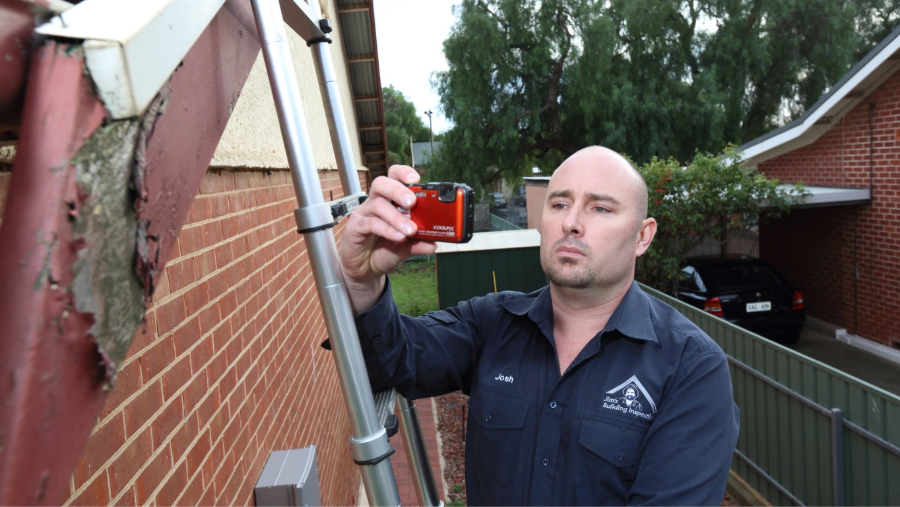
Step 1: Visual Inspection
The assessment begins with a detailed visual inspection of accessible areas. Inspectors look for signs of damage, deterioration, or unsafe conditions, forming the foundation of the building risk inspection NZ process.
Step 2: Use of Diagnostic Tools
Specialist tools such as moisture meters and thermal imaging cameras are used to detect hidden issues. These tools are essential for accurate moisture inspection NZ and identifying problems behind walls or under floors.
Step 3: Risk Evaluation and Reporting
Identified issues are evaluated based on severity and potential impact. Findings are documented in a comprehensive building defect report, providing clear explanations and photographic evidence.
Step 4: Recommended Corrective Actions
The final report outlines practical steps to mitigate or eliminate risks. This allows owners, buyers, or landlords to prioritise repairs and maintenance effectively.
Common Risks Found in NZ Properties
Certain issues are consistently identified during property inspections across New Zealand.
Leaky Building Syndrome
Some properties, particularly those built during specific construction periods, are prone to water ingress. Poor weatherproofing can lead to extensive moisture damage, making a professional property risk assessment essential.
Substandard DIY Renovations
Unconsented or poorly executed renovations often create safety and compliance risks. These issues are commonly highlighted during a pre purchase inspection NZ or landlord inspection.
Ageing Infrastructure
Older homes may have outdated plumbing, wiring, or roofing systems. These elements increase the likelihood of failure and should be carefully reviewed during a landlord property inspection or safety check.
How Jim’s Building Inspections NZ Can Help
Jim’s Building Inspections NZ provides professional, reliable inspection services tailored to New Zealand conditions. Their experienced inspectors deliver clear insights through detailed property risk assessment reports.
Pre‑Purchase Risk Assessments
Buyers benefit from independent assessments that identify risks before settlement. A thorough pre purchase inspection NZ provides confidence and supports informed negotiations.
Landlord Safety Checks
Landlords can rely on comprehensive inspections to meet obligations under Healthy Homes Standards NZ and conduct regular rental property compliance checks that protect both tenants and investments.
Comprehensive Digital Reporting
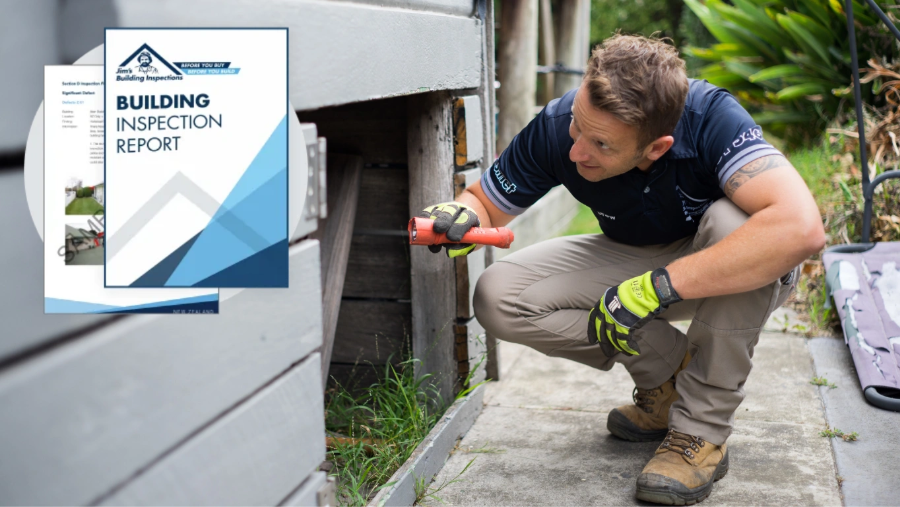
Jim’s Building Inspections NZ delivers easy‑to‑understand digital reports with photos, summaries, and actionable recommendations. Each building defect report clearly explains risks and next steps.
Final Thoughts on Property Risk Assessment for Safety
A property risk assessment is a smart investment in safety, compliance, and long‑term asset protection. By identifying hazards early, property owners, landlords, and buyers can reduce risk, avoid unexpected costs, and create safer living environments.
In New Zealand’s unique housing landscape, professional inspections provide clarity and peace of mind—whether you are buying, renting, or maintaining a property.
Frequently Asked Questions
A property risk assessment typically includes structural checks, electrical and fire safety review, moisture assessment, and identification of health or environmental hazards.
The duration depends on property size and complexity, but most standard residential assessments are completed within a few hours, followed by detailed reporting.
While not always legally mandatory, landlords must meet safety and habitability requirements, including Healthy Homes Standards NZ, making regular assessments highly advisable.
Yes. Documented inspections can support insurance claims and demonstrate responsible property management.
Landlords should conduct assessments before new tenancies, after major renovations, and periodically to ensure ongoing compliance and safety.