

Buying, owning, or selling a home is one of the biggest financial decisions most New Zealanders will ever make. While a property may look sound on the surface, hidden issues can pose serious safety risks and lead to costly repairs down the track. This is where a residential building inspection becomes essential.
A professional home building inspection NZ homeowners trust helps identify structural concerns, moisture problems, and safety hazards before they escalate. Whether you are purchasing your first home, maintaining your current property, or preparing to sell, a thorough house safety inspection provides clarity, confidence, and peace of mind.
In this article, we explain what a residential building inspection involves, why it matters for safety, and how Jim’s Building Inspections NZ supports smarter property decisions across New Zealand.
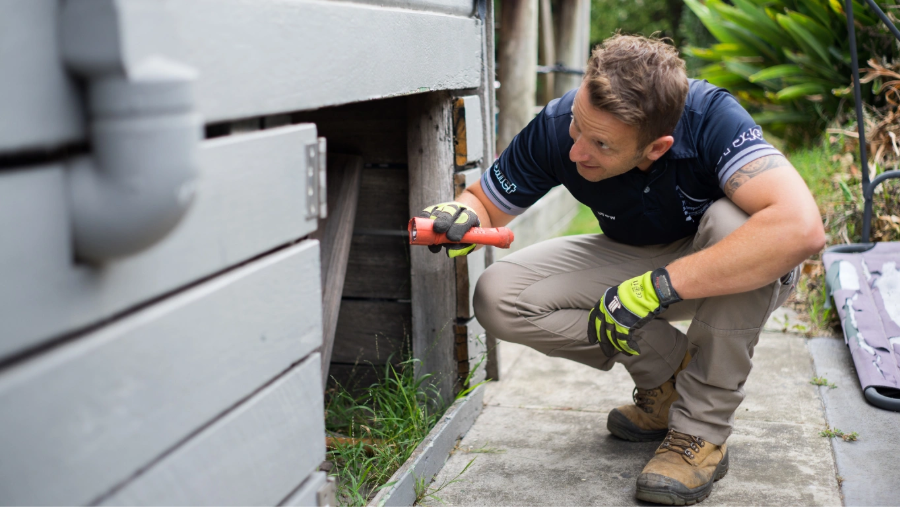
What Is a Residential Building Inspection?
A residential building inspection is a comprehensive assessment of a home’s visible condition, structure, and safety-related components. Conducted by a qualified building inspector NZ homeowners rely on, the inspection evaluates key areas of the property for defects, deterioration, and potential risks.
The outcome is a detailed residential property report outlining observed issues, their likely causes, and recommendations for further action. Inspections are visual and non-invasive, meaning inspectors do not remove linings or fixtures, but they assess everything reasonably accessible at the time.
This type of property inspection New Zealand buyers and owners depend on is commonly used for:
- Pre purchase building inspection purposes
- Routine home maintenance inspection planning
- Safety and risk identification
- Supporting informed buying or selling decisions
Why Residential Building Inspection Matters for Safety
Many of the most serious home safety risks are not immediately visible during an open home or casual walkthrough. A professional inspection is designed to uncover issues that may otherwise go unnoticed until they become major problems.
Detect Hidden Structural Problems
A structural house inspection focuses on the integrity of key load-bearing elements. Inspectors look for signs of movement, cracking, or stress that may indicate foundation settlement or structural weakness.
In New Zealand homes, even minor structural shifts can worsen over time due to soil conditions, weather exposure, or previous alterations. Early detection helps prevent long-term safety risks and expensive remediation.
Identify Moisture and Leak Risks
Moisture is one of the most common and damaging issues found during a moisture inspection NZ property owners request. Dampness, leaks, and poor drainage can compromise both the safety and durability of a home.
Unchecked moisture can lead to mould growth, timber decay, and unhealthy living conditions. Identifying moisture pathways early allows homeowners to address problems before structural damage occurs.
Spot Electrical and General Hazards
While inspectors do not carry out electrical testing, a house defect inspection often highlights visible safety concerns such as damaged fittings, unsafe access points, deteriorated materials, or trip hazards.
These issues may seem minor but can pose real risks to occupants if left unresolved.
Key Areas Checked During a Residential Building Inspection
A professional residential building inspection covers all major accessible areas of the home. In New Zealand properties, inspectors typically assess the following:
Roof, Gutters, and Exterior Cladding
The exterior of a home provides critical protection against the elements. Inspectors check roofing materials, flashings, gutters, and downpipes for signs of wear, corrosion, blockages, or leaks.
Exterior cladding is also reviewed for cracking, moisture staining, or deterioration that could allow water ingress.
Foundations, Floors, and Structure
Foundations and floors are assessed for movement, unevenness, cracking, or signs of structural stress. These elements are essential to the long-term safety of the property.
Any indicators of instability are noted in the residential property report for further evaluation if required.
Interior Walls, Ceilings, and Windows
Inside the home, inspectors look for cracks, water staining, mould, and poor workmanship. Windows and doors are checked for operation, alignment, and signs of moisture damage.
These interior checks help identify maintenance issues that may impact both comfort and safety.
Subfloor and Ventilation Areas
Subfloor spaces are particularly important in New Zealand homes. Inspectors assess ventilation, moisture levels, timber condition, and signs of rot or pest activity.
Poor airflow or persistent dampness beneath the house can significantly affect structural components and indoor air quality.

When Should You Get a Residential Building Inspection?
Timing your residential building inspection correctly ensures you gain maximum value and protection.
Before Buying a Home
A pre purchase building inspection is one of the most important steps a buyer can take. It provides an independent assessment of the property’s condition before you commit financially.
This allows buyers to:
- Understand potential repair costs
- Avoid unexpected safety issues
- Make informed decisions or negotiate confidently
Before Selling a Property
Sellers also benefit from a home building inspection NZ professionals recommend. Identifying issues early allows you to address them proactively, reduce buyer uncertainty, and present the property transparently.
A pre-sale inspection can improve buyer confidence and reduce last-minute surprises.
For Routine Home Maintenance
A home maintenance inspection is valuable even if you are not buying or selling. Regular inspections help homeowners stay ahead of deterioration and maintain a safe living environment.
Preventative inspections often cost far less than reactive repairs.
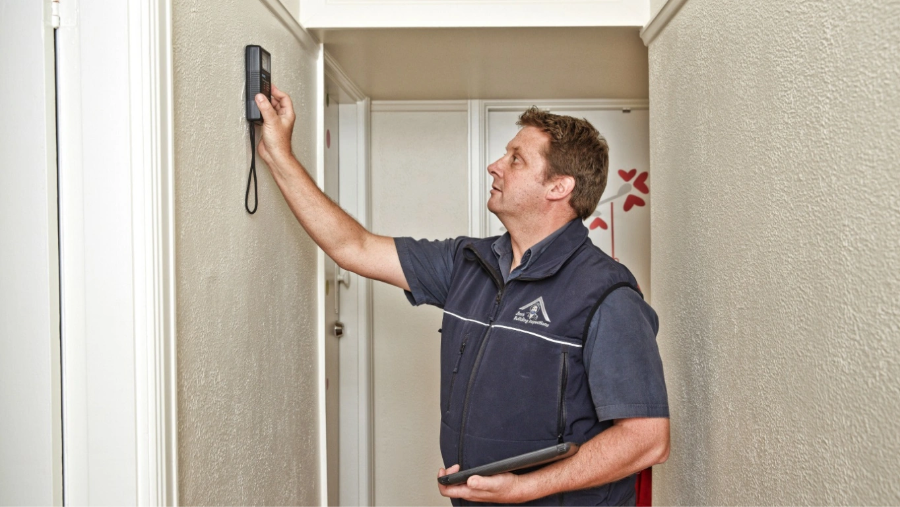
Common Problems Found in Residential Building Inspections
Across property inspection New Zealand reports, certain issues appear frequently, particularly in older homes or poorly maintained properties.
Water Ingress and Dampness
Leaks, rising damp, and condensation issues are common findings. These problems can affect walls, ceilings, subfloors, and structural timber if not addressed promptly.
Timber Rot and Decay
Ongoing moisture exposure often leads to timber rot. This can weaken framing, flooring, and exterior elements, compromising both safety and structural integrity.
Poor Repairs or DIY Alterations
Non-compliant repairs or unprofessional DIY work can introduce hidden risks. Inspectors often identify inadequate fixes that do not meet expected building standards.
How Jim’s Building Inspections NZ Can Help
Jim’s Building Inspections NZ provides trusted, independent inspection services tailored to New Zealand homes and conditions.
Detailed Pre-Purchase Reports
Each inspection includes a clear, easy-to-understand residential property report outlining defects, risks, and recommended actions. This empowers buyers to make informed decisions before purchase.
Honest Advice and Fast Turnaround
Clients benefit from practical guidance, transparent reporting, and efficient turnaround times. Whether you need a house safety inspection or a full structural house inspection, Jim’s inspectors focus on accuracy and clarity.
Benefits of a Residential Building Inspection
Investing in a professional inspection delivers long-term value well beyond the initial cost.
Protect Your Family’s Safety
Identifying hazards early helps create a safer living environment for everyone in the household.
Save Money on Future Repairs
Early detection of defects reduces the likelihood of major repair costs later. Preventative action is always more affordable than emergency fixes.
Buy or Sell with Confidence
Reliable information supports smarter decisions. Whether buying or selling, a residential building inspection removes uncertainty and strengthens your position.
Conclusion: A Residential Building Inspection Is a Smart Safety Step
A professional residential building inspection is one of the most effective ways to protect your home, your finances, and your family’s safety. By uncovering hidden issues, identifying risks, and providing clear guidance, inspections support confident property decisions across New Zealand.
Whether you need a pre purchase building inspection, a routine home maintenance inspection, or expert advice from a qualified building inspector NZ, Jim’s Building Inspections NZ delivers dependable insights you can trust.
Frequently Asked Questions
Inspectors typically assess structure, roof, moisture risks, exterior, interior, subfloor areas, and visible defects.
Most inspections take between 1 to 3 hours, depending on the size and condition of the property.
Yes. It can reveal hidden issues and help prevent costly surprises after purchase.
Pricing varies depending on location, property size, and the type of report required.
Yes. Buyers often use inspection findings to negotiate repairs or adjust the purchase price.