
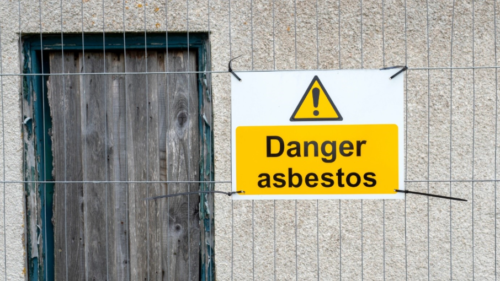
Asbestos remains a significant concern for many commercial properties across New Zealand, particularly buildings constructed before the 2000s. While asbestos-containing materials are not always dangerous when left undisturbed, damage, renovations, or poor maintenance can increase the risk of fibre release.
Regular commercial asbestos inspections in NZ play a vital role in protecting workers, visitors, and property owners while ensuring compliance with workplace health and safety obligations. Understanding how often inspections should occur helps commercial property owners manage risks proactively rather than reactively.
Why Regular Asbestos Inspections Matter
Routine workplace asbestos inspections are a critical part of responsible property management. They help identify potential hazards early and support informed decision‑making around maintenance and renovations.
Protecting Workers and Visitors
Damaged or deteriorating asbestos-containing materials can release microscopic fibres into the air. When inhaled, these fibres pose long‑term health risks, including serious respiratory diseases.
Regular asbestos safety inspections help identify worn, cracked, or disturbed materials before they become a hazard, supporting a safer environment for employees, tenants, contractors, and visitors.
Meeting Health and Safety Responsibilities
Under New Zealand workplace safety regulations, commercial property owners and duty holders are required to identify, assess, and manage asbestos risks. Maintaining up‑to‑date asbestos risk assessments and inspections supports compliance and demonstrates a commitment to health and safety obligations.
How Often Should Asbestos Inspection Be Conducted?
There is no single inspection schedule that applies to every property. The asbestos inspection frequency depends on factors such as building age, condition, and how the property is used.
Annual Asbestos Inspections
For many older commercial buildings, annual asbestos inspections are commonly recommended. Yearly assessments help monitor the condition of known asbestos-containing materials and ensure that management controls remain effective.
Inspections After Renovations or Damage
A new asbestos survey for commercial buildings should be conducted after:
- Renovations or refurbishment work
- Storm damage or flooding
- Leaks or structural movement
- Accidental disturbance of building materials
These events can compromise asbestos-containing materials and increase the risk of fibre release.
More Frequent Checks for High-Risk Areas
Areas subject to heavy use, vibration, moisture, or mechanical activity may require more frequent asbestos monitoring in commercial property. Regular checks help ensure materials remain stable and intact between formal inspections.
Factors That Affect Asbestos Inspection Frequency
Several key factors influence how often a commercial asbestos inspection in NZ should be carried out.
Age of the Building
Commercial buildings constructed before asbestos restrictions were introduced are more likely to contain asbestos in roofing, wall linings, insulation, or service areas. Older buildings typically require closer monitoring and regular inspections.
Condition of Existing Asbestos Materials
Asbestos materials in good condition may only require routine monitoring, while damaged or deteriorating materials often need more frequent inspections or corrective action.
Type of Commercial Activity
Industrial sites, warehouses, workshops, and high‑traffic environments increase the likelihood of asbestos disturbance. These properties often require more frequent workplace asbestos inspections compared to low‑occupancy office spaces.
Common Areas Checked During Commercial Asbestos Inspections
A professional asbestos inspection focuses on areas where asbestos-containing materials are commonly found.
Roofing and External Cladding
Older roofing sheets, wall cladding, and soffits may contain asbestos cement products that degrade over time due to weather exposure.
Ceiling Panels and Wall Linings
Internal construction materials, including ceiling tiles, wall linings, and partitions, can conceal asbestos fibres that become hazardous if damaged.
Plant Rooms and Service Areas
Pipes, insulation, ducts, switchboards, and boiler rooms are high‑risk zones where asbestos materials were frequently used for heat and fire resistance.
Signs Your Commercial Property Needs an Immediate Asbestos Inspection
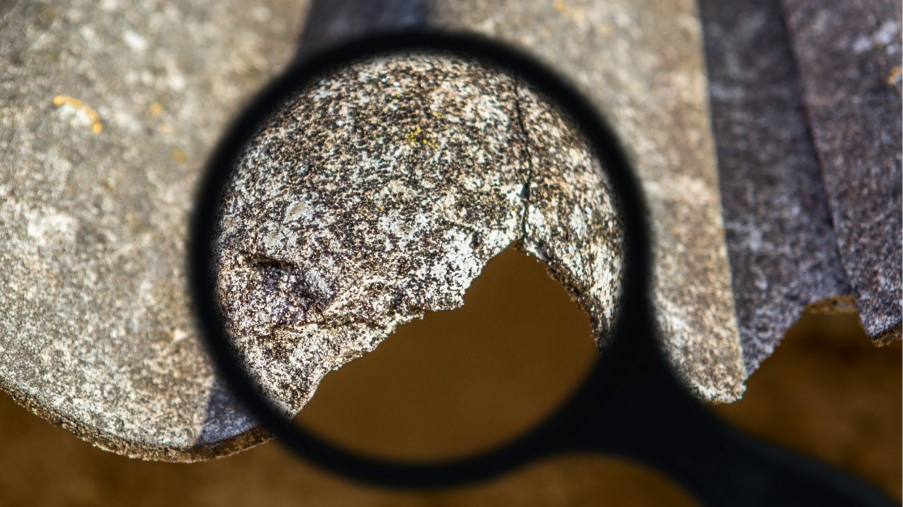
Certain warning signs indicate the need for an urgent asbestos safety inspection.
Visible Damage or Cracking
Cracked, broken, or friable materials increase the likelihood of fibre release and should be assessed promptly.
Water Damage or Moisture Problems
Leaks and prolonged moisture exposure can weaken asbestos-containing materials, making them more prone to deterioration.
Planned Renovation or Demolition Work
An asbestos inspection and testing in New Zealand should always be completed before any renovation, refurbishment, or demolition work begins to prevent accidental exposure.
What Happens During a Commercial Asbestos Inspection?
Understanding the inspection process helps property owners know what to expect.
Visual Assessment of Suspect Materials
Inspectors conduct a thorough visual review of the property to identify materials that may contain asbestos based on age, appearance, and location.
Sampling and Laboratory Testing
Where confirmation is required, small samples may be safely collected and sent for accredited laboratory testing to determine asbestos presence.
Inspection Report and Recommendations
The final report outlines:
- Locations of identified or suspected asbestos
- Risk levels and condition assessments
- Recommendations for monitoring, management, or removal
- Guidance for maintaining an effective asbestos management plan
How Jim’s Building Inspections NZ Can Help
Professional inspections provide clarity and confidence for commercial property owners.
Professional Commercial Asbestos Assessments
Jim’s Building Inspections NZ delivers thorough commercial asbestos inspections tailored to different building types, usage levels, and risk profiles across New Zealand.
Clear Reports and Practical Advice
Detailed, easy‑to‑understand reports help owners plan maintenance, renovations, or long‑term asbestos management safely and responsibly.
Conclusion: Stay Proactive with Regular Asbestos Inspections
Regular asbestos inspections are an essential part of managing commercial properties in New Zealand. By understanding inspection frequency, monitoring high‑risk areas, and acting early, property owners can reduce health risks, maintain compliance, and protect everyone who uses the building.
A proactive approach to asbestos management supports safer workplaces and long‑term property value.
Frequently Asked Questions
Many commercial properties benefit from annual inspections, with additional assessments after renovations, damage, or changes in building use.
Buildings constructed before asbestos restrictions are more likely to contain asbestos and should be inspected to identify and manage potential risks.
Yes. Inspections help identify damaged materials early, reducing the risk of fibre exposure.
Asbestos materials in good condition may not pose an immediate risk, but regular monitoring is essential to ensure they remain stable.
Yes. Inspections and testing should always occur before renovation or demolition work to prevent accidental exposure.