

Art Deco homes are among New Zealand’s most distinctive architectural treasures, celebrated for their elegant geometric forms, stucco cladding, and streamlined aesthetic. Originally inspired by the post–World War I decorative art movement, these timeless homes blend functionality with style. However, owning or restoring an Art Deco property comes with challenges that prospective buyers and homeowners should understand. From insulation limitations to moisture vulnerabilities, these homes require ongoing maintenance and care to preserve their unique character.
Understanding Art Deco Houses
Art Deco houses first appeared in New Zealand during the early 1930s, standing out as a modern alternative to the ornate villas and simple bungalows of prior decades. This architectural style mirrored international trends emerging from Europe and the United States and was synonymous with innovation and sophistication.
The rise of Art Deco apartment and housing design swept through towns across the country, especially following the 1931 Napier earthquake, when entire city blocks were rebuilt in contemporary fashion. Two main types of Art Deco homes emerged — speculative constructions for everyday families and bespoke designs targeting the upper market. Regardless of scale, all expressed geometric symmetry, clean lines, and a progressive vision of modern living.
Key Features of Art Deco Homes
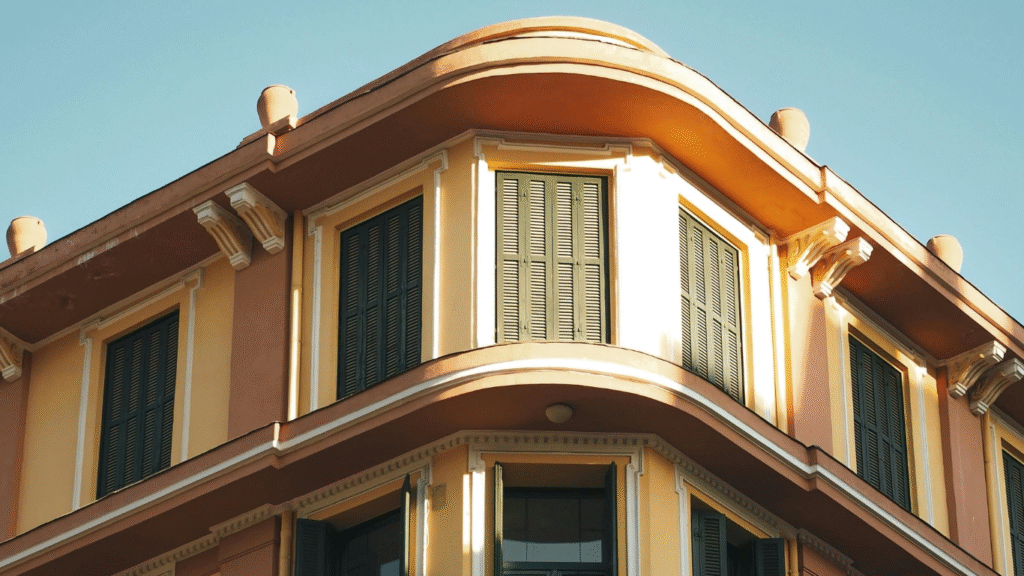
What makes Art Deco homes stand apart is their distinctive visual language. Their architecture typically includes:
- Stucco cladding and parapet walls
- Flat or low-pitched roofs with internal gutters
- Rounded corners and semi-circular walls
- Casement windows and recessed porches
- Decorative motifs, including chevrons, zigzags, and sunbursts
Native timbers were used extensively for framing, ensuring longevity. The modern appearance and craftsmanship give Art Deco houses timeless appeal, yet the same design choices often contribute to the maintenance challenges faced today.
Major Issues with Art Deco Apartments
While Art Deco apartments and houses remain highly desirable, they also come with a set of structural and environmental issues that can affect performance, safety, and value over time. Understanding these common problems ensures that renovation and property repair efforts are well-informed and compliant with heritage requirements.
Insulation Issues in Art Deco Houses
Art Deco homes were constructed in an era when insulation materials and thermal performance standards were virtually nonexistent. Their flat or low-pitched roofs often restrict access for ceiling insulation, and wall cavities typically lack sufficient space for modern insulating materials.
Where internal or external linings have not been replaced during past home renovations, walls are unlikely to contain any insulation. This absence can result in heat loss and higher energy costs. Landlords must note that minimum insulation levels have been legally required for rental properties since July 2019.
Moisture and Weather Tightness Concerns
Moisture control is one of the biggest challenges facing Art Deco houses. Flat roofs, internal gutters, and the absence of protective eaves make these constructions susceptible to water penetration. Cracks in stucco cladding and degraded sealants around windows often allow moisture to enter wall systems, leading to rot, mould, and possible structural damage.
Subfloor ventilation is also essential in these older homes. Without sufficient airflow, dampness can collect, threatening the integrity of timber framing and flooring.
Hazardous Substances in Older Art Deco Homes
Many Art Deco apartments and houses contain materials that were once commonplace but are now recognised as hazardous. Lead was widely used for guttering, flashing, and paint. Likewise, asbestos was often found in decorative ceilings, floor panels, or beneath plaster finishes.
Both substances are relatively stable while undisturbed, but during home renovations, airborne asbestos fibres or lead paint dust can create serious health risks. Managing these hazards requires professional detection, containment, and safe removal processes.
Fire Risk and Safety in Art Deco Homes
Fire safety standards were minimal in the 1930s and 1940s. Original electrical wiring often relied on rubber insulation that deteriorates and becomes brittle with time. This outdated wiring not only poses shocks and fire hazards but can also void modern insurance policies.
Homeowners should prioritise electrical rewiring as part of their renovation plan and supplement it with modern smoke alarm systems, heat sensors, and protected circuits for improved safety.
Addressing the Common Issues
Thoughtful upgrades and restoration can transform Art Deco homes into safe, comfortable dwellings while preserving their striking authenticity. Below are effective strategies to mitigate common problems while aligning with heritage protection rules.
Upgrading Insulation in Art Deco Apartments
Improving thermal performance begins with assessing roof cavities, subfloors, and walls during a building inspection. Where ceiling insulation is impossible due to roofing design, underfloor insulation and double-glazed windows can significantly enhance comfort. Consider non-invasive insulation systems that maintain original wall finishes while boosting energy efficiency.
Ensuring Moisture Control and Weather Tightness
Regular maintenance of roof drainage systems is vital. Clean internal gutters, inspect flat roofs for pooling water, and reseal windows with weather-resistant materials. Stucco cracks should be professionally repaired to prevent water ingress. Installing a mechanical ventilation system under the flooring can further reduce dampness and improve air quality.
Remediating Hazardous Materials
Before undertaking any renovations, arrange a professional asbestos and lead inspection. Certified removal specialists can safely handle contaminated materials while maintaining environmental compliance. Repainting with low-VOC, lead-free products and replacing outdated linings or ceilings can restore the home safely without compromising its period features.
Improving Fire Safety in Art Deco Houses
Replace brittle wiring with modern insulated cabling, ideally run through protective conduit. Add smoke alarms in all key living spaces and heat detectors in kitchens. Ensure compliance with New Zealand Building Code Part F6 – Visibility and Safety Systems. Heritage preservation does not preclude safety upgrades if performed thoughtfully and concealed within the original architectural design.
Conclusion
Art Deco homes remain icons of New Zealand’s architectural heritage — elegant, expressive, and distinctive in every sense. But their beauty comes with responsibility. Identifying and resolving issues such as poor insulation, moisture ingress, hazardous materials, and electrical risks is essential for maintaining both safety and comfort.
Professional building inspection services, like those offered by Jim’s Building Inspections, provide peace of mind. Our expert teams can assess Art Deco apartments and houses to help owners preserve their heritage while achieving modern living standards. With proactive maintenance and informed property repair strategies, these remarkable homes can continue inspiring generations to come.
FAQs
What is an Art Deco home?
An Art Deco home is characterised by bold geometric shapes, stucco cladding, flat roofs, rounded corners, and decorative elements like chevrons and zigzags, reflecting the design trends of the 1930s.
Flat roofs were a hallmark of the Art Deco style, offering a sleek, modern appearance. However, they can present maintenance challenges, particularly concerning water drainage.
Yes, careful renovations that respect the original design elements, such as restoring original windows and preserving decorative features, can modernise the home while maintaining its historic charm.
Typically, Art Deco homes are not energy-efficient due to the lack of insulation and airtightness. Upgrading insulation and installing energy-efficient windows can improve comfort and reduce energy costs.
Conduct a thorough building inspection to identify potential issues like structural integrity, moisture problems, and the presence of hazardous materials. Understanding these factors can inform renovation plans and costs.
In some regions, Art Deco homes are protected due to their historical significance. It’s essential to consult local heritage regulations and obtain necessary permits before undertaking significant renovations.
Potential issues include corrosion of steel wall ties in cavity walls, cracks in stucco cladding, and deterioration of original timber framing. Regular inspections can help identify and address these concerns.
Regular inspections to check for pooling water, debris removal, and ensuring proper drainage are essential to prolong the life of flat roofs and prevent leaks.