
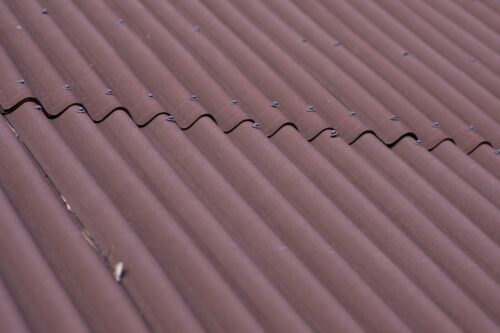
In New Zealand’s variable climate, from coastal winds to heavy rainfall and high UV exposure, a building’s roof and wall protection plays a vital role in its longevity and performance. Among the many options available, Onduline roof and wall cladding has become a trusted name for both residential and light commercial projects.
Known for its durability, light weight, and eco-friendly design, Onduline offers a versatile and cost-effective solution for builders, homeowners, and renovators seeking reliable protection and style.
This comprehensive guide explores what Onduline roof and wall cladding is, its advantages, common issues to watch for, and why it remains a top choice across New Zealand’s diverse building landscape.
What is Onduline Cladding?
Onduline roof and wall cladding is a lightweight, bitumen-based corrugated sheet system used for both roofing and wall applications. The material is made from organic fibres (such as cellulose) that are soaked in bitumen and reinforced with resin to create a strong yet flexible sheet.
Originally developed in Europe more than 70 years ago, Onduline has become a popular solution in New Zealand for its ease of installation, affordability, and ability to withstand harsh weather conditions.
Onduline sheets are commonly used on:
- Residential homes
- Sheds and garages
- Farm buildings and rural structures
- Light commercial facilities
The system provides effective weatherproofing while maintaining an attractive appearance that suits both modern and traditional designs.
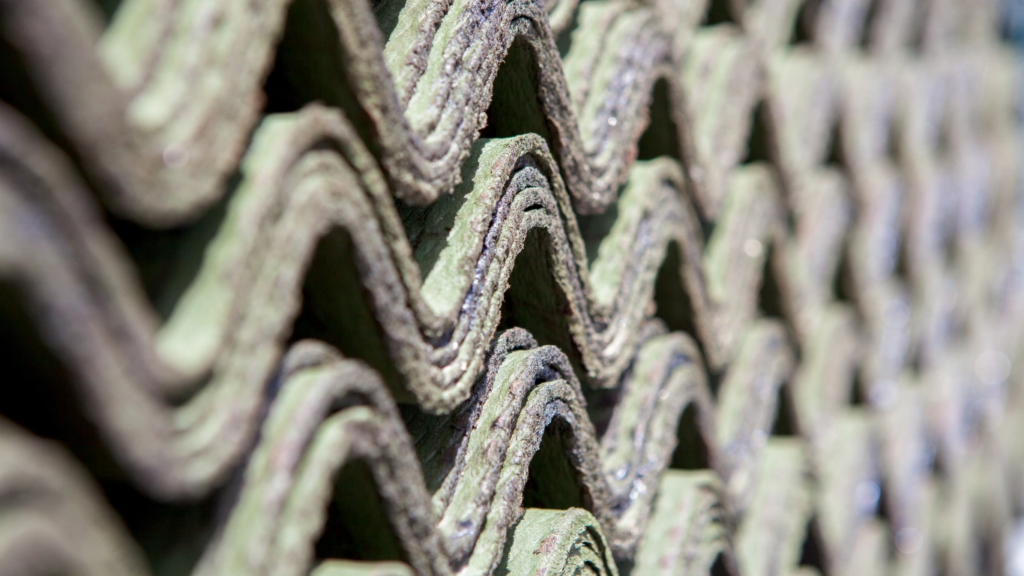
What Are the Issues with Onduline?
While Onduline roof and wall cladding offer many benefits, it’s not without limitations. Over time, improper installation or exposure to extreme weather can lead to performance issues. Common concerns include:
- Fading or Discolouration:
UV rays can cause gradual colour fading, especially in high-sun regions. While this doesn’t typically affect structural integrity, it can alter appearance over time. - Warping or Softening:
In high heat or poor ventilation, the bitumen material may soften slightly, which can cause undulations or uneven surfaces if not properly supported. - Moss or Algae Growth:
In damp or shaded areas, moss and algae can form on the surface. Regular maintenance and cleaning help prevent buildup. - Incorrect Fixing or Support:
If sheets are not correctly installed with appropriate fixings and spacing, water pooling or lifting under strong winds can occur.
These issues are typically preventable with correct installation, good ventilation, and routine inspection, something professional inspectors like Jim’s Building Inspections New Zealand can help identify early.
Benefits of Onduline Roofing and Wall Cladding
Despite a few maintenance considerations, Onduline roofing and wall cladding offer numerous advantages that make it a standout choice for New Zealand conditions.
1. Lightweight and Easy to Install
Onduline sheets are significantly lighter than traditional materials like metal or tile, making them easy to handle and install without heavy equipment. This reduces labour time and cost, ideal for small projects or remote builds.
2. Durable and Weather Resistant
Onduline is engineered to resist corrosion, rust, and impact. Its waterproof bitumen composition performs exceptionally well in coastal regions, heavy rain, or snow conditions, providing reliable protection year-round.
3. Noise and Thermal Insulation
Unlike metal roofing, Onduline absorbs sound, helping reduce rain noise. It also offers natural thermal insulation properties, keeping interiors more comfortable and energy-efficient.
4. Eco-Friendly Composition
Onduline sheets are made from recycled organic fibres and are 100% asbestos-free. Their low carbon footprint and sustainable manufacturing make them an environmentally responsible choice.
5. Aesthetic Flexibility
Available in various colours and profiles, Onduline cladding complements a range of architectural styles from rustic rural sheds to sleek contemporary homes.
6. Cost-Effective Longevity
Because it resists corrosion and requires minimal maintenance, Onduline roof and wall cladding offers long-term savings over metal or tiled alternatives.
Types of Roofing & Cladding
Onduline offers several products designed for different roofing and wall applications. Choosing the right one depends on your project’s scale, design preferences, and environmental conditions.
Onduline Classic
This is the original corrugated bitumen roofing sheet, ideal for residential, agricultural, and commercial buildings. It’s lightweight, durable, and comes in a variety of colours to suit your design needs.
Onduvilla
A tile-shaped roofing system designed to mimic the appearance of traditional tiles but with the lightness and flexibility of bitumen. It’s perfect for residential homes where aesthetics and performance are equally important.
Onduline Tile Sheet
These sheets offer a more defined profile and stronger mechanical resistance suitable for larger structures or areas exposed to stronger winds.
Onduline Wall Cladding
Onduline wall cladding panels are designed for vertical installation on exterior walls, providing added weather protection and aesthetic appeal. They’re particularly useful for sheds, garages, or commercial façades that require both function and visual consistency.
Each of these systems integrates seamlessly with roofing and cladding systems across different building types, giving property owners a cohesive finish that’s both practical and attractive.
How Can You Recognise Onduline Roof or Wall Cladding?
You can easily identify Onduline roof and wall cladding by its distinct corrugated profile and matte bitumen finish. Unlike shiny metal sheets, Onduline surfaces have a softer texture and muted appearance.
Other visual clues include:
- Lightweight sheets with uniform corrugations
- Matte, fibre-reinforced texture rather than metallic sheen
- Consistent colouring across panels (before weathering)
An experienced building inspector can confirm whether your cladding is Onduline and assess its current condition. Over time, fading, moss growth, or fixing issues can indicate that maintenance or replacement may be required.
If you’re unsure about the type or condition of your roof and wall cladding, a professional inspection can help you identify potential issues before they lead to leaks or structural concerns.
Reasons to Choose Onduline Roof and Wall Cladding
When considering roofing and cladding systems, Onduline continues to stand out for both practical and long-term benefits. Here’s why it’s a preferred option among homeowners and builders in New Zealand:
1. Proven Durability
Onduline has a strong track record of performance under New Zealand’s weather conditions. Its waterproof bitumen composition resists corrosion, rust, and UV degradation, ensuring dependable protection over decades.
2. Simple Installation and Maintenance
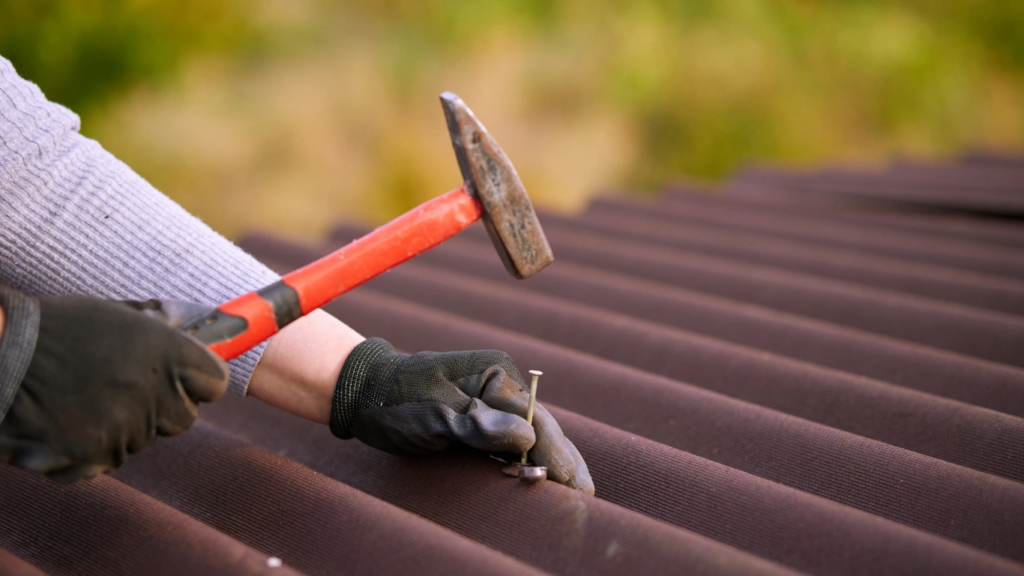
The lightweight design allows for fast, easy installation with basic tools. Minimal maintenance, mainly routine cleaning, keeps Onduline roofs and walls looking good for years.
3. Cost Efficiency
With lower material, transport, and installation costs than heavier or metal alternatives, Onduline offers excellent value without compromising reliability.
4. Environmentally Friendly Choice
Made from recycled fibres and free of asbestos, Onduline roof and wall cladding helps reduce environmental impact while maintaining high durability standards.
5. Versatile Applications
Suitable for both residential and commercial projects, Onduline integrates easily with timber, steel, and concrete structures, making it adaptable for a wide range of building styles.
6. Trusted Brand Worldwide
Used in more than 100 countries for over seven decades, Onduline has earned a reputation for consistent quality and innovation. Choosing Onduline means investing in a proven, global standard in roof and wall cladding performance.
Maintenance and Inspection Tips
To ensure your Onduline roof and wall cladding lasts its full lifespan, periodic inspection and maintenance are key.
Here are a few recommendations from Jim’s Building Inspections New Zealand:
- Inspect annually: Look for signs of fading, warping, or moss buildup.
- Clean gently: Use soft brushes or low-pressure water to remove debris. Avoid harsh chemicals.
- Check fixings: Ensure screws and fasteners remain secure to prevent movement or water ingress.
- Schedule inspections: Professional inspections can identify early warning signs before repairs become costly.
Jim’s Building Inspections provides comprehensive roof and wall cladding inspections across New Zealand, assessing materials, installation quality, and maintenance needs.
Conclusion
Onduline roof and wall cladding offers a durable, sustainable, and cost-effective solution for New Zealand’s unique building conditions. Its lightweight structure, weatherproof design, and ease of installation make it a practical choice for homeowners, builders, and property managers alike.
While minor issues such as fading or moss growth can occur, regular inspection and proper installation ensure long-lasting performance.
Whether you’re building new, renovating, or maintaining existing structures, choosing Onduline roofing and cladding systems means choosing reliability, affordability, and peace of mind. For expert assessment or maintenance advice, contact Jim’s Building Inspections New Zealand, your trusted partner in keeping properties safe, compliant, and well-protected.
FAQs
Problems include corrosion of the bitumen coating, leading to water ingress, sagging, cracking, delamination, and color leaching.
Look for thicker, textured corrugations compared to standard iron roofing. The troughs are larger, and the material is heavier and more rigid.
Due to harsh environmental conditions, Onduline has not performed well in coastal areas, leading to its discontinuation in the New Zealand market.
Consider having a professional inspection to assess the condition of the cladding and determine if repairs or replacement are necessary.
The lifespan can vary, but many installations have shown signs of deterioration within 10 to 15 years.
Yes, there are various modern roofing and cladding materials that offer better durability and performance, such as metal roofing and fibre cement boards.
Regular inspections are recommended to check for signs of wear, water ingress, and structural integrity.
Most warranties have expired, and claims may not be honoured due to the product’s discontinuation and known issues.